Sutherland |Surveyors: Understanding the difference between a property valuation and a survey?
It is a common finding that property buyers assume that their mortgage valuation is the same as getting a survey. It is an easy mistake to make. After all, both involve someone visiting the property and forming an opinion on its condition and value. But they are actually very different things, with very different purposes.
Understanding this difference can be the key to avoiding costly surprises after you have purchased the property.
The purpose of the valuation.
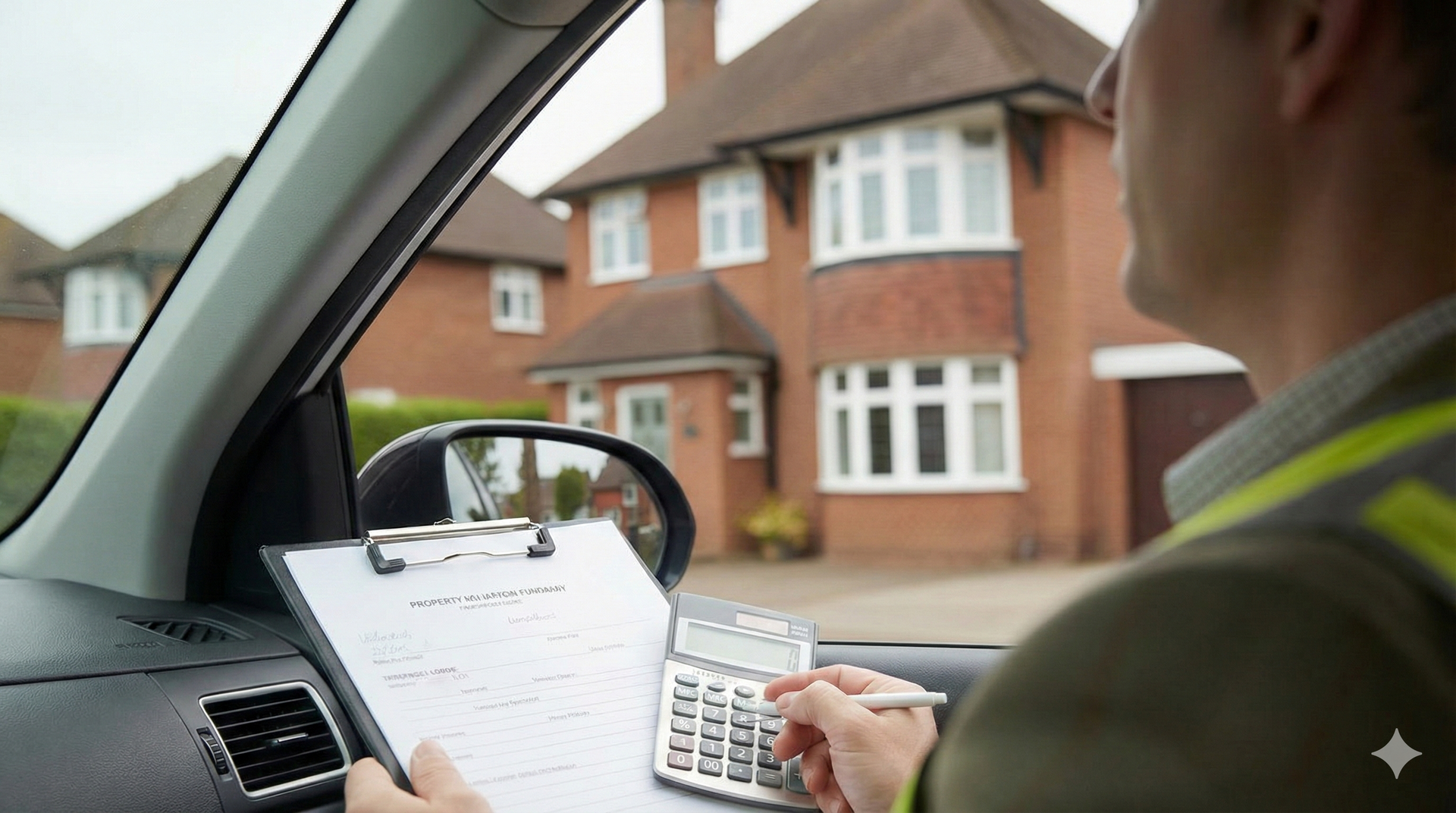
When you apply for a mortgage, your lender will arrange a valuation. This is essentially for their benefit, not yours. They need to know that the property is worth roughly what you are paying for it, so they can be confident that their loan is secure.
The valuer is answering one main question: is this property suitable security for the loan amount?
In most cases, it is a quick assessment. The valuer is not there to tell you about maintenance issues, damp problems, or whether the extension was built properly. They are not checking the roof tiles or inspecting the drains. Their focus is market value and basic mortgage risk—nothing more.
Buyers often assume that because the valuation came back fine, the property must be in good condition, but this is not what the valuation tells you.
The importance of a survey.
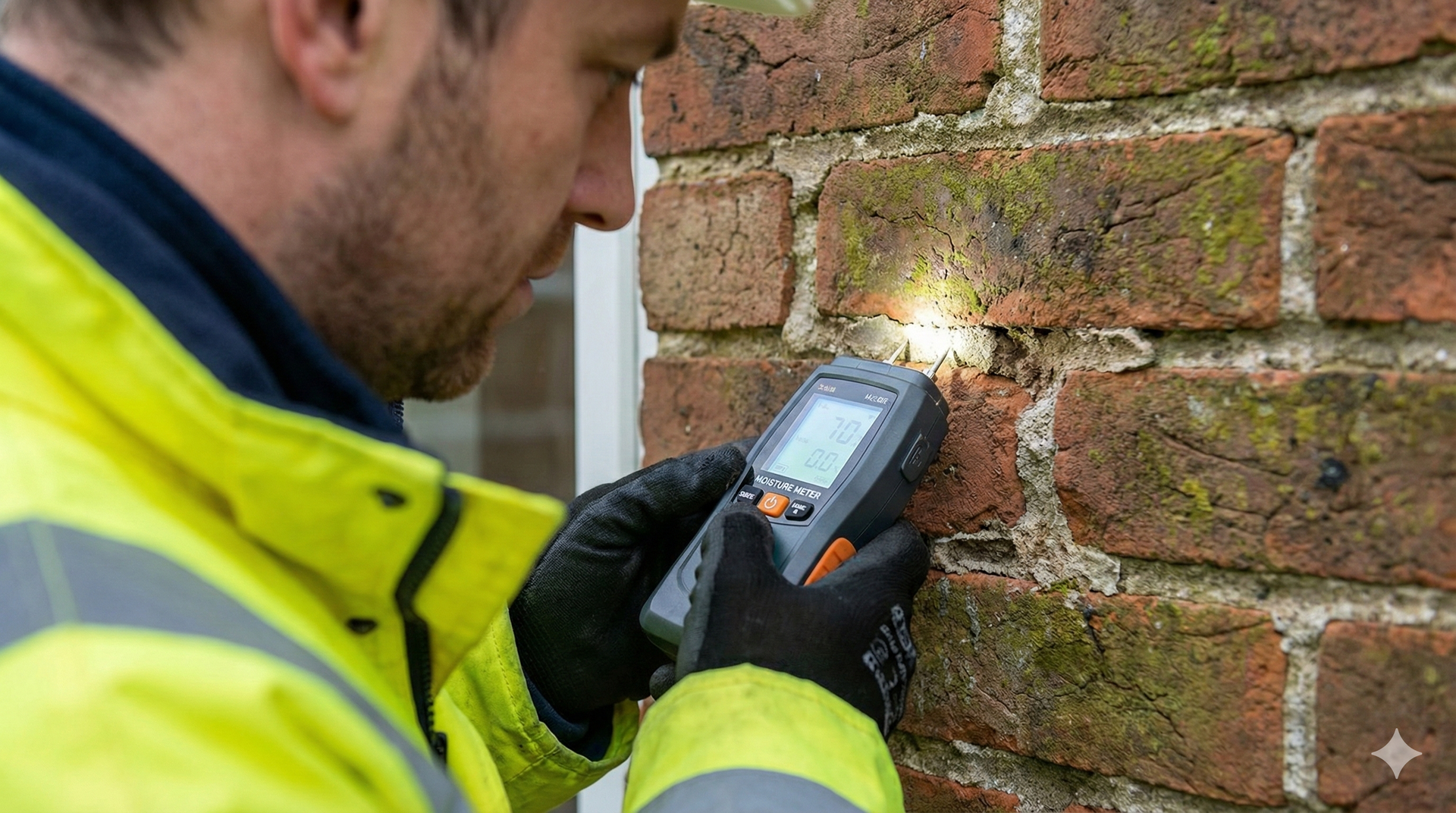
A survey, on the other hand, is entirely for your benefit. When you instruct a chartered surveyor to carry out a survey, you are instructing them to inspect the property thoroughly and report on its condition.
Depending on the type of survey you choose, this can include everything from structural concerns and damp to roof condition, drainage, and any signs of previous alterations or repairs that might need further investigation.
The surveyor's purpose is to provide you with an informed, professional view of what you are buying—highlighting issues you might not have noticed during viewings and helping you to understand what might need attention down the line.
Why the confusion happens.
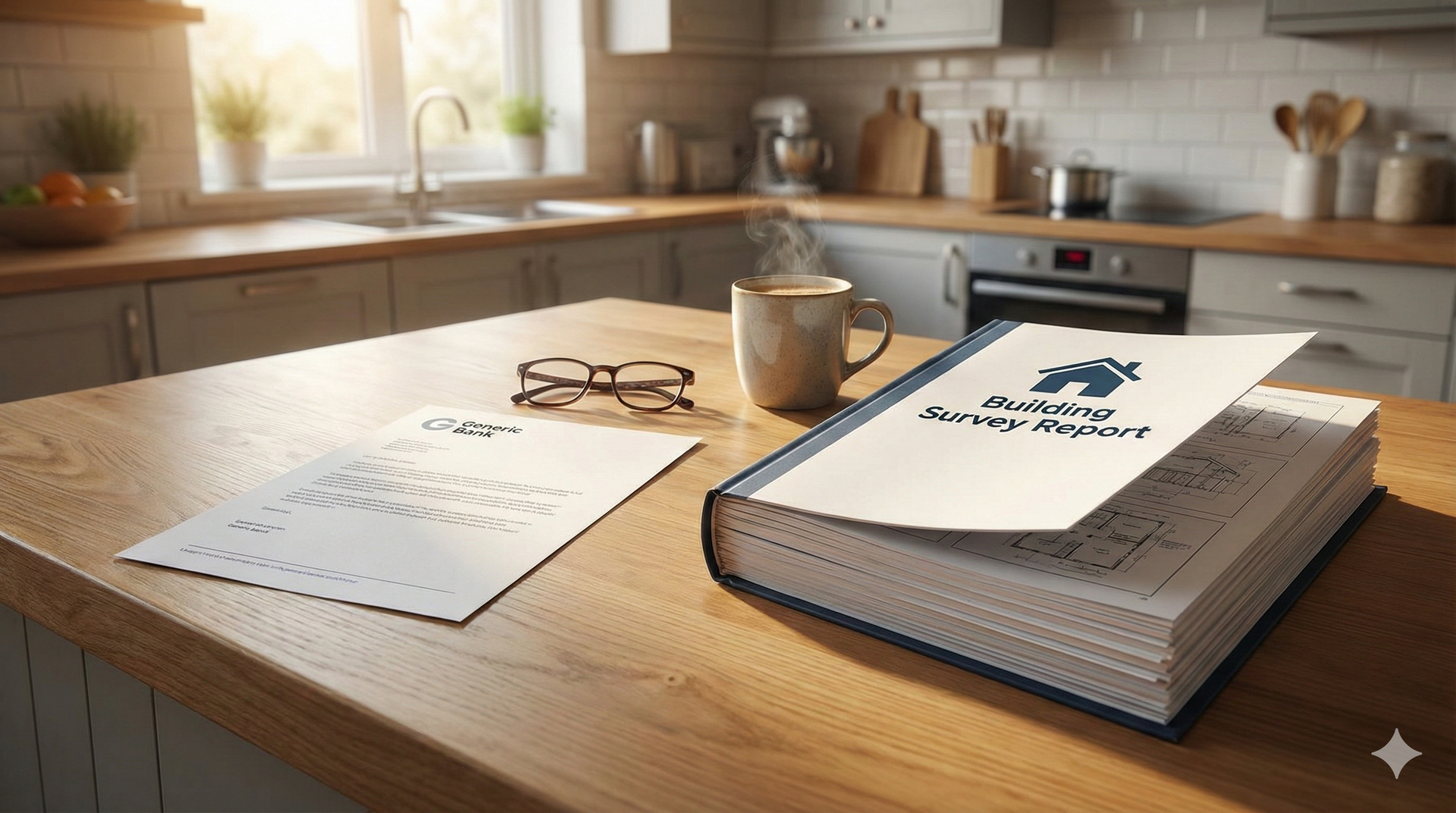
Part of the problem is that mortgage valuations are often called "surveys" in everyday conversation, which adds to the confusion. You might even receive a document titled "mortgage valuation report"—but it should not be confused with a building survey as it not.
Another issue is cost. Because the valuation is usually arranged as part of the mortgage process, it feels like something you are getting anyway. Surveys are an additional expense and can cause some buyers to hesitate.
But a valuation protects the lender. A survey protects you.
Can you rely on a valuation alone?
In short, no—not if you want a clear picture of the condition of the property.
Buyers who choose not to pay for a survey prior to purchasing a property, commonly discover significant issues shortly after moving in that include subsidence, structural movement, and outdated electrics. These types of issues are not flagged in the mortgage valuation simply because that is not the purpose of this assessment.
If you are searching for a "surveyor near me" because you want genuine peace of mind, it is worth understanding that a valuation won't give you that. A survey will.
Making the right choice for your purchase.
Whether you need a Home Buyer Report, or a more detailed Building Survey, depends upon the property and your circumstances. But the starting point is recognising that a valuation is not a substitute for either.
If you are spending what is likely to be the largest sum of money that you will ever commit to, it makes sense to know exactly what you are buying. A chartered surveyor can give you that clarity in a way a mortgage valuation simply cannot.
It is not about being cautious, it is about being informed
To make an informed decision about your next property purchase and are based in the Bournemouth, Christchurch Poole and New Forest areas, get in touch with Sutherland Surveyors, or follow the link to our website www.sutherlandsurveyors.co.uk