Sutherland Surveyors: Why getting a survey before you buy a property can save you thousands

Sutherland Surveyors • January 30, 2026

Buying a home is exciting, but it is also one of the biggest financial decisions you will ever make. The costs people worry about—deposits, fees, mortgage rates—are often less painful than the surprises that pop up after move-in. A thorough survey helps you avoid those surprises, make informed decisions, and protect your budget.

What a survey really does for you

The purpose of a survey is not to deter you from buying the property by finding problems for the sake of it. It is about providing you with a clear evaluation of the property so that you are not reliant upon a quick viewing and a seller’s description. During a survey, the house is evaluated as a whole—how it is built, how it is performing, and where the risks might be—then explain what matters in plain English.


A survey can highlight issues that are not obvious at first glance: damp hiding behind fresh paint, movement in walls or floors, roof defects, poor drainage, or shortcuts in past renovations. Knowing about these before you complete the purchase can save you from expensive repairs later.


The types of costs a survey can help you avoid commonly include:


Roof and guttering: A roof may look fine from the street, but cracked tiles, failed flashing or sagging gutters can lead to leaks. A modest fix might be a few hundred pounds; a neglected problem can become a new roof running into the thousands.


Damp and ventilation: Condensation, penetrating damp, or blocked vents can be more than a nuisance. Treating the cause early is usually far cheaper than dealing with rot and damaged plaster down the line.


Extensions and alterations: Loft conversions, knock-throughs, and garden rooms are popular. If they haven’t been done properly, you could be facing structural repairs or the cost of putting things right to meet current standards.


Services and drainage: Old wiring, dated heating systems, or hidden drainage issues do not always show during a viewing. Identifying likely upgrades helps you budget realistically and avoid nasty shocks.

How a survey strengthens your position

A well-explained survey gives you options. You might:


Renegotiate the price based on clear, evidenced findings.


Ask the seller to address specific issues before completion.


Plan and budget for future work with confidence, rather than rushing into costly fixes.


It is not about being confrontational; it is about making a fair and informed decision. When buyers tell me their survey “paid for itself,” it is usually because it helped them avoid a big repair or secure a sensible adjustment to the price.

Valuation versus survey: why it matters

Many buyers assume a mortgage valuation is enough; It isn’t. A valuation is for the lender’s benefit and simply checks if the property is worth the loan amount. It doesn’t give you detailed insight into condition. A survey is for you. The role of a chartered surveyor is to give impartial advice that protects your interests, not the lender’s.

Choosing the right level of survey

Not every property needs the same depth of inspection. A newer, standard home may suit a mid-level report, while older, larger, or altered homes usually benefit from a more detailed look. If you are unsure, it is worth checking which option is most appropriate with the surveyor so that you only pay for what you need.

Finding the right surveyor near you

People often search “surveyor near me” and end up overwhelmed by choices. Look for a chartered surveyor with local knowledge and clear communication. Local experience helps interpret what’s typical for the area—soil type, common building styles, and known issues—so advice is practical rather than generic.

Peace of mind that lasts beyond completion

A good survey is not just a checklist; it is a guide to living in and caring for your new home. I make sure buyers understand what is urgent, what can wait, and what to keep an eye on, so you can plan sensibly and enjoy your new place with fewer surprises.

Conclusion

Skipping a survey can feel like saving money in the short term, but it often leads to bigger bills later. An independent survey gives you clarity, confidence, and leverage—helping you avoid unexpected costs and make calm, well-informed decisions. If you are weighing up your next step, a quick conversation with a chartered surveyor could be the most cost-effective move you make in the whole process. Follow the link to our website www.sutherlandsurveyors.co.uk to find out more about us.
Download Report
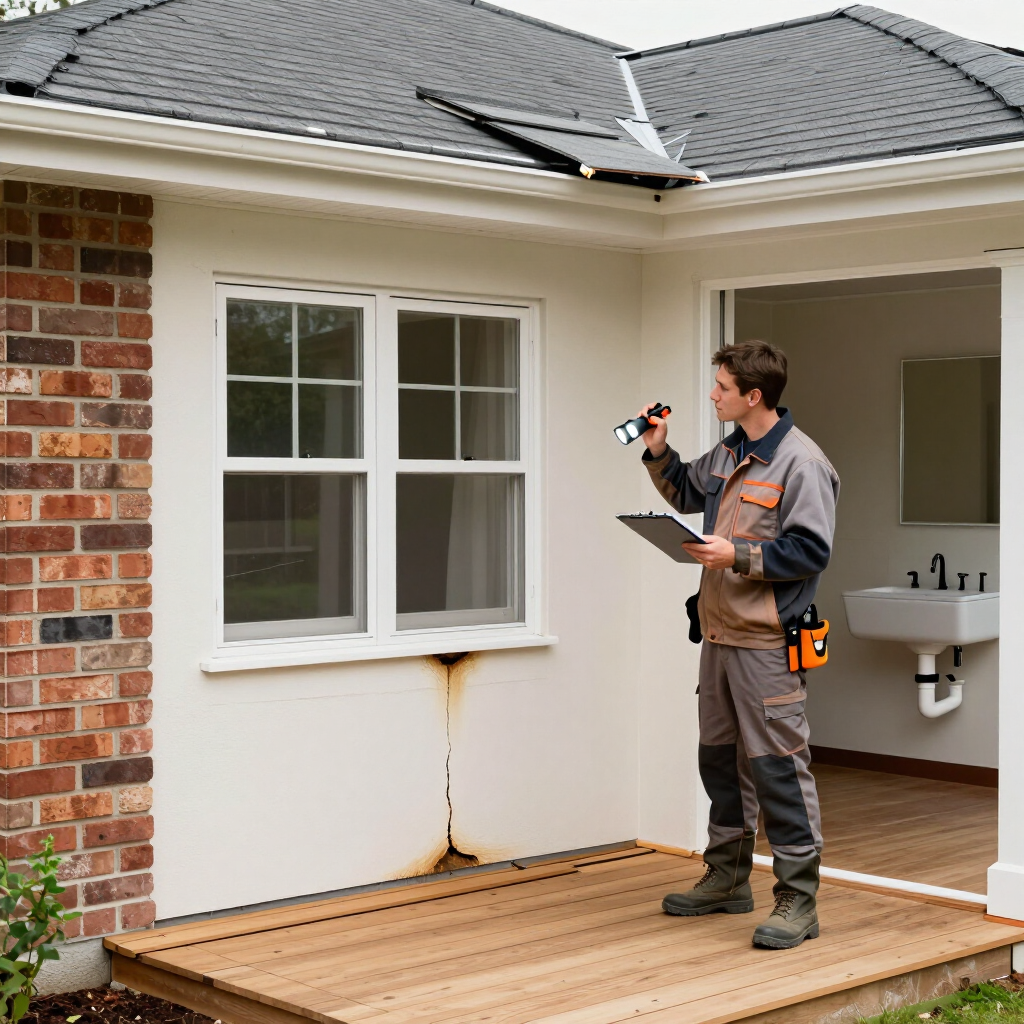
Technician inspecting exterior wall and window above a wooden deck beside a house
By Sutherland Surveyors • October 14, 2026
There's a particular moment I enjoy during almost every inspection. I'll be standing quietly in a corner of a room, or crouched by a skirting board, and the person selling the house will ask, slightly nervously, "Have you found something?" Often, I haven't found a problem at all, I'm just looking. But it does highlight something important: buyers and surveyors genuinely see houses differently. As the darker evenings draw in this October and viewings start happening under artificial light more often, it feels like a good time to talk about what that difference involves and why it matters more than most people expect. Viewing a Home vs Inspecting One. When you walk around a property you are considering buying, you are forming an emotional impression. Does it feel right? Would the sofa fit there? Is the kitchen big enough? That's completely natural; Buying a home is as much about lifestyle as it is about bricks and mortar. A chartered surveyor is doing something quite different. I'm not thinking about where furniture might go; I'm thinking about how the building has behaved over time. Buyers tend to look at a room. I tend to look at the junctions; Where the walls meet the ceiling, where an extension joins the original structure, where a window has been replaced. That's usually where a building tells you the truth about itself. Small Details, Bigger Picture. It's rarely one obvious thing that gives a property away. More often, it's a pattern of small observations that build into a fuller picture. A slightly uneven floor on its own might mean nothing. Many older homes have settled naturally over decades. But combined with a hairline crack above a doorway, and a slightly stiff window that doesn't close properly, it starts to tell a more specific story. Individually, none of these would concern a buyer during a viewing. Together, they might indicate movement worth understanding before you commit. This is really the value of experience. It's not about having a checklist of "problem signs". It's about recognising when ordinary, everyday features add up to something worth a closer look. Reading the History of a House. Every property has a history, even if no one tells you what it is. Extensions get added, garages get converted, gardens get re-landscaped. Most of this is done perfectly well, some of it isn't. I often find myself looking for evidence of work that was completed without the right approvals or done in a way that doesn't quite match the rest of the building. A slightly different type of brick, an oddly placed drainpipe, a floor level that changes unexpectedly between rooms. These are the kinds of details that come from years of comparing what a house looks like now to what it's likely to have looked like originally. Buyers understandably focus on how a space feels today. Surveyors are trained to think about how it got there. Why Professional Eyes Make a Difference. None of this is about catching people out or being overly cautious. It's simply about experience. A chartered surveyor sees hundreds of properties a year, across many different ages, styles, and construction types. That repeated exposure builds a kind of visual vocabulary, an instinct for what's normal wear and what's worth a second look. It's a bit like a mechanic listening to an engine, or a doctor noticing something in how you describe a symptom. The information is there for anyone to see but recognising its significance takes training and repetition. A Second Pair of Trained Eyes. If you're searching for a "surveyor near me" ahead of an offer, it's worth remembering that what you're really paying for isn't just an inspection, it's a different way of looking at the property altogether. It's someone trained to notice the things that don't announce themselves. Buying a home is exciting, and it's easy to fall in love with a property before you've properly understood it. Having a professional look beyond the obvious doesn't take away from that excitement, it simply means your decision is built on a clearer picture, not just a good first impression.
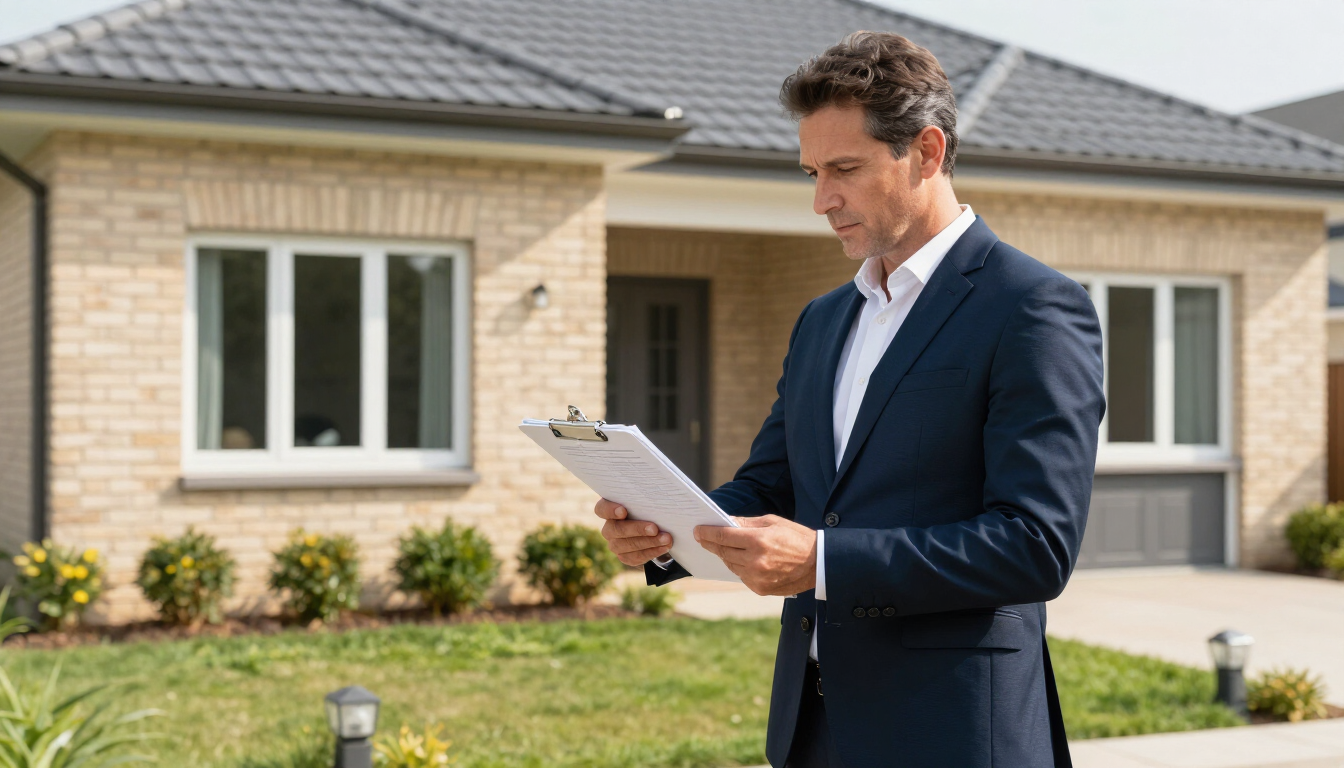
Man in navy suit reviewing a clipboard outside a modern house with a lawn and shrubs
By Sutherland Surveyors • September 8, 2026
Every week, I speak to buyers who have picked up a belief about property surveys that simply isn't true.
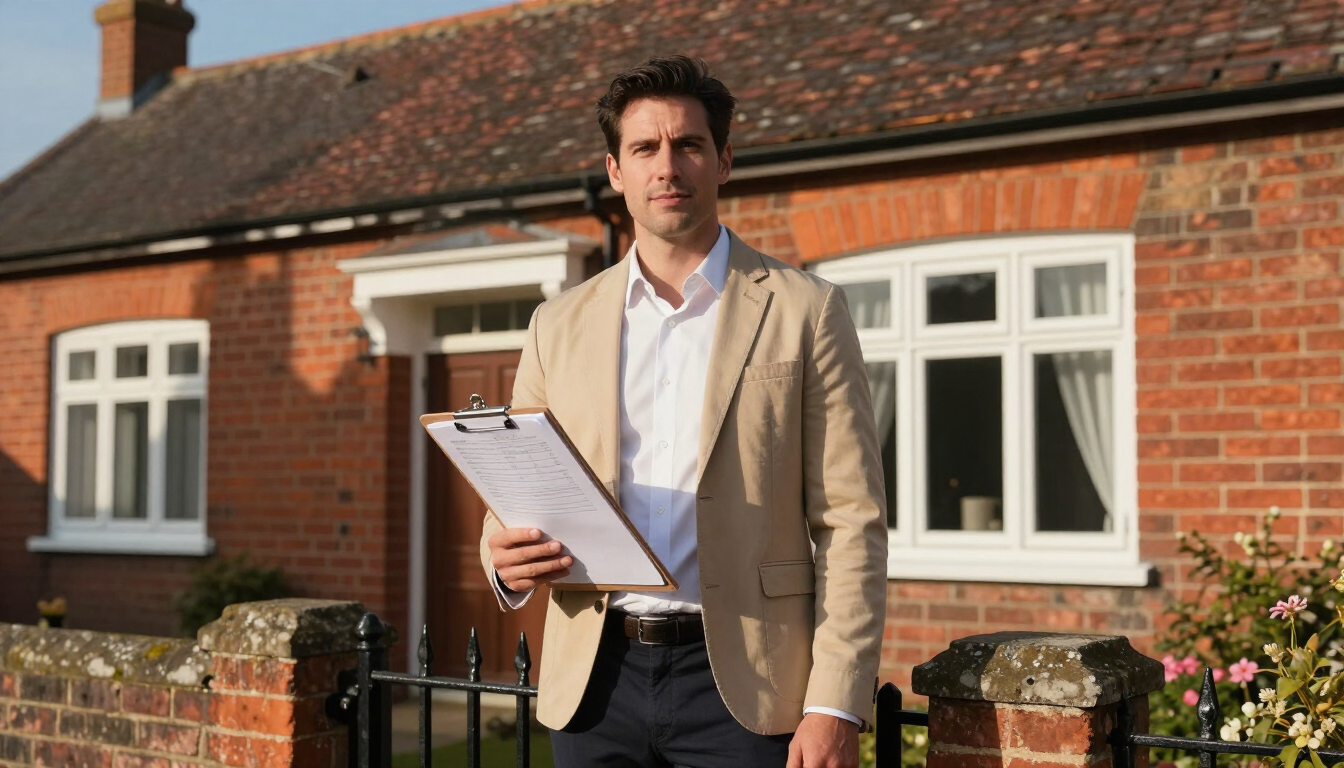
Man in beige blazer holding a clipboard outside a brick house in sunlight
By Sutherland Surveyors • August 6, 2026
A clear, practical look at the most common misunderstandings home buyers have about property surveys, why they matter, and how good advice early can protect your investment.