
Sutherland Surveyors: Home Buyer Report or Building Survey; Which One Do You Actually Need?

Sutherland Surveyors • March 24, 2026

With the spring property market picking up pace, many buyers right now are moving quickly. Offers are being made, solicitors are being instructed, and mortgages are being arranged. In the middle of all that activity, one question we are asked more than most at Sutherland Surveyors is “which type of survey do I actually need?”'


It is an important question, and the answer isn't always straightforward. Choosing the right option will ensure that you will be provided with the information you need to buy with confidence. Choosing the wrong option can mean purchasing a property without a full overview of the condition of the property resulting in unexpected issues further down the line.

The Two Main Options
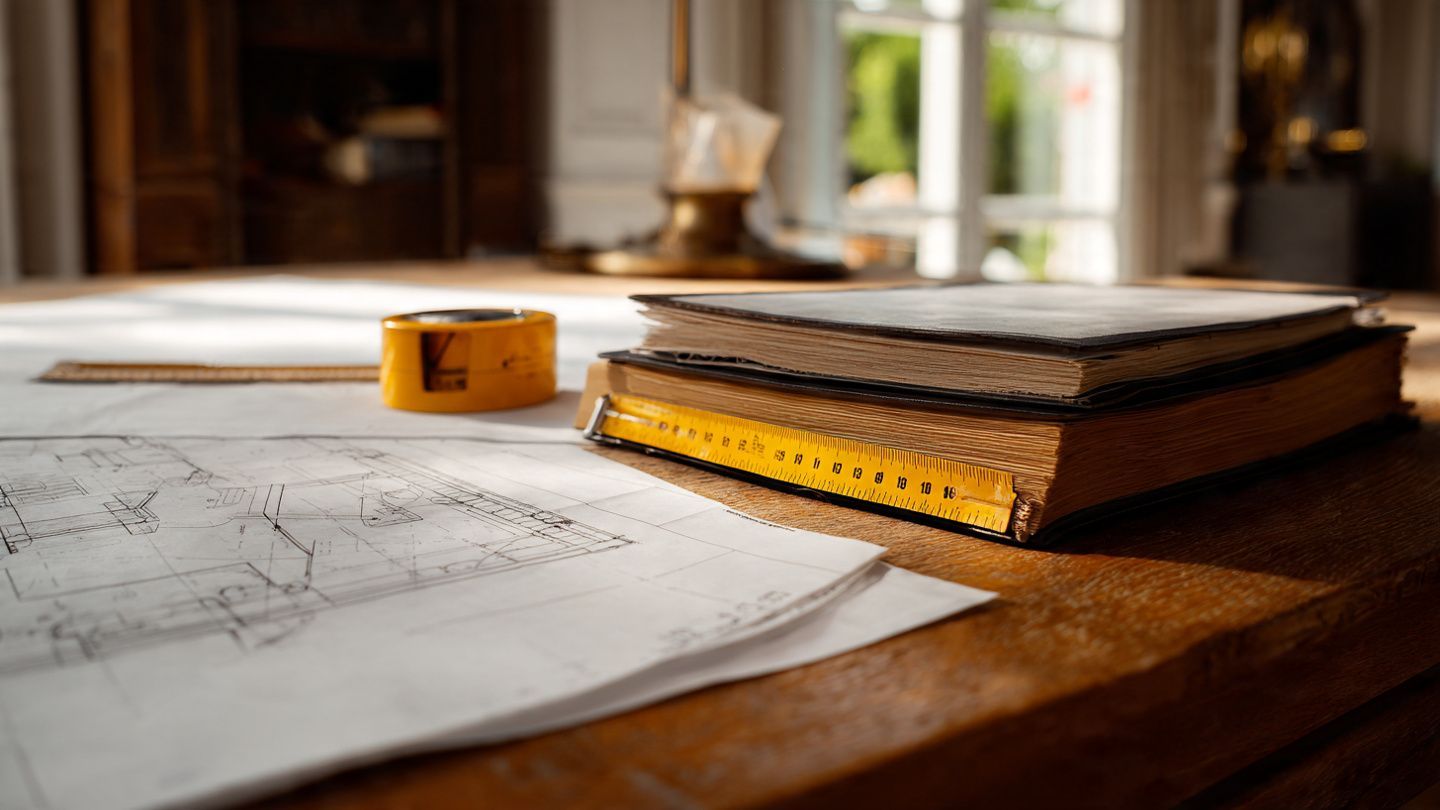
A yellow tape measure and a stack of books sit on a wooden table next to a sketched architectural blueprint.

For most residential buyers, the choice comes down to two types of survey: a Home Buyer Report and a Building Survey (sometimes called a Full Structural Survey).


A Home Buyer Report is designed for properties that are broadly in reasonable condition. It looks at visible and accessible elements of the building, identifies any significant defects, and gives an overall picture of the condition of the property using a straightforward traffic light rating system. It is a solid, well-structured report and works well in the right circumstances.


A Building Survey is much more detailed and is more comprehensive. Rather than following a set template, it gives a thorough account of the property's construction, condition, and any concerns the surveyor identifies. This includes context, likely causes, and guidance on what may need attention. It is written more specifically to that property.

When a Home Buyer Report Is Suitable
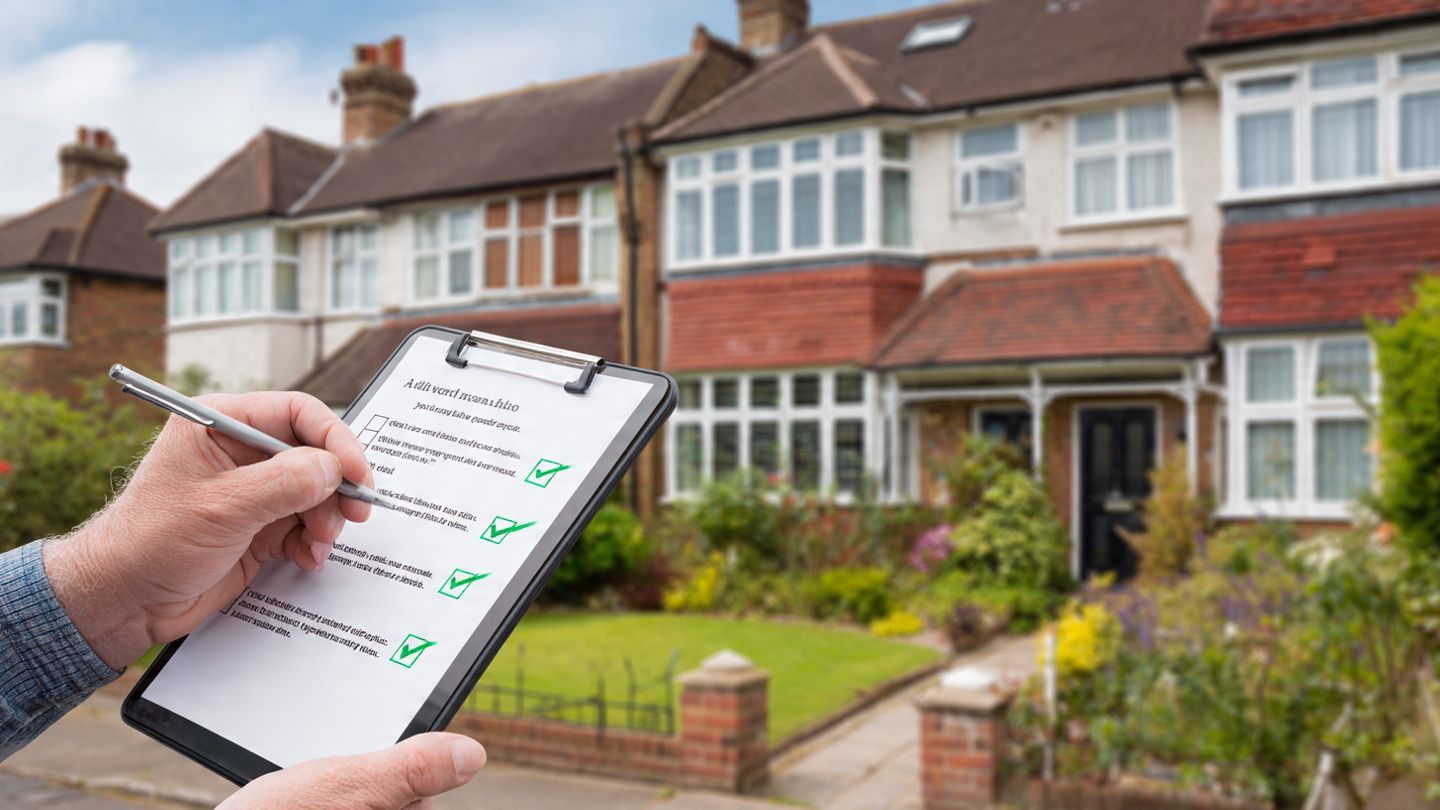
A person holding a clipboard with a checklist in front of a row of brick houses on a street.

A Home Buyer Report tends to be appropriate for relatively modern properties, including those built in the last 50 to 60 years, that are in a standard construction style and appear to be in reasonable condition. An example of a suitable property would be a 1980s semi-detached house that has been well maintained.


If the property looks in reasonable condition and you have no concerns from your viewing, a Home Buyer Report provides a useful overview of the condition of the property.

When To Consider A Building Survey
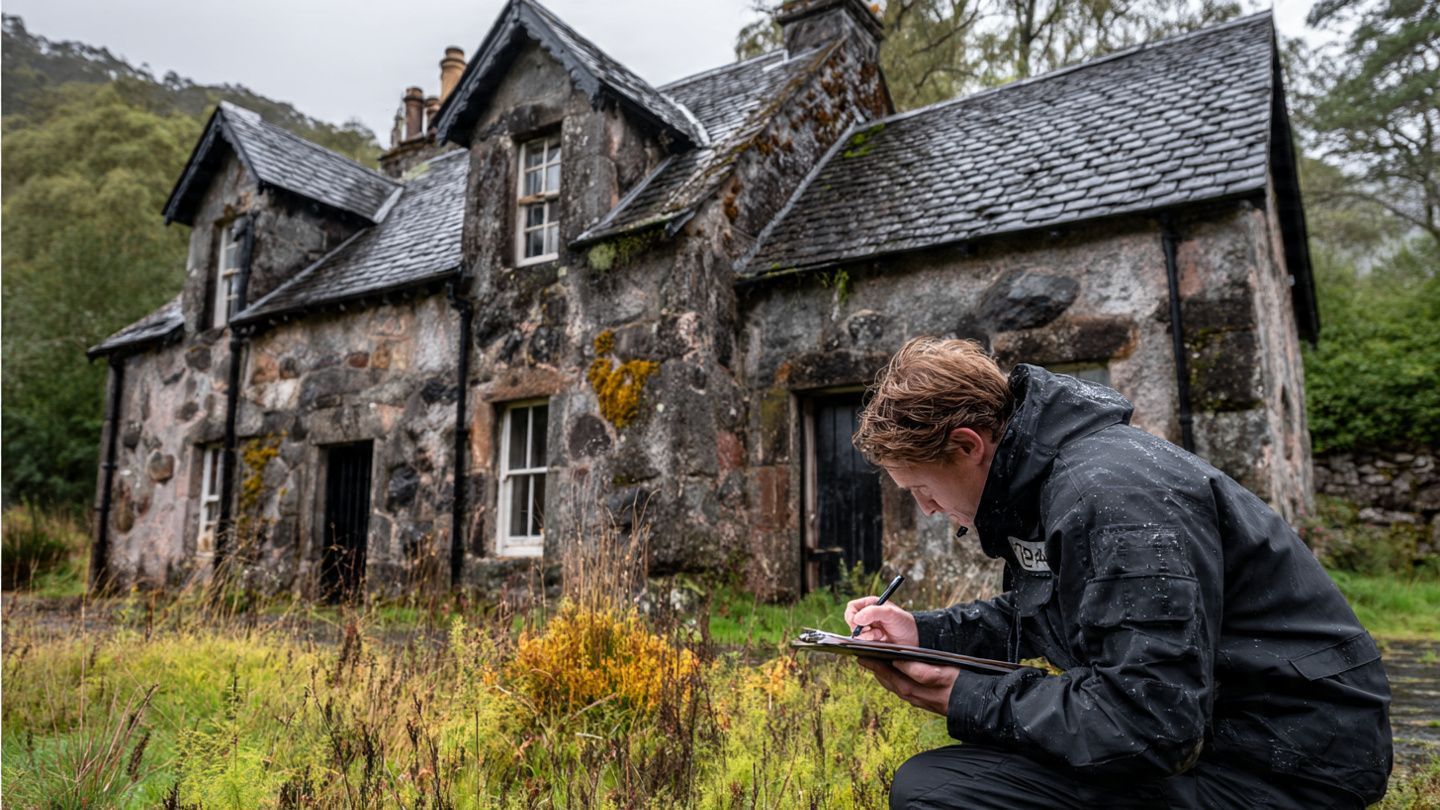
A person in a black rain jacket crouches in tall grass to take notes in front of an old, stone, multi-gabled house.

There are several situations where a Building Survey would be more appropriate and it is worth being honest about these rather than letting budget alone drive the decision.


If the property is of older (particularly anything pre-1930s) construction, methods and materials vary considerably, and the scope of a Home Buyer Report may not be detailed enough. Older homes can carry issues that only become apparent when a surveyor looks more carefully at how the building is constructed.


Similarly, if the property has had extensions, conversions, or significant alterations, those changes need closer scrutiny. Work done without proper oversight or building regulations compliance can be difficult to identify during a viewing, but a more thorough survey gives the right level of investigation.


Properties that look tired, have been empty for a while, or sit in an unusual construction such as timber frames, thatched roofs, stone-built cottages, all benefit from the detail that is provided from a Building Survey.

Don't Let the Cost Difference Be the Deciding Factor

A miniature house sits on one side of a brass balance scale, while a small stack of coins rests on the other side.

Here at Sutherland Surveyors, we understand that buyers are managing multiple costs at once, however the difference in fee between the two survey types is minimal when set against the value of the property being purchased and against what can go wrong if a problem is missed.


Choosing a less detailed survey to save a relatively small amount at this stage is a false economy if it means significant issues go undetected.

Getting the Right Advice

If you are unsure which option is right for your situation, speak to a chartered surveyor before you book. Any reputable surveyor will be happy to discuss the property with you and help you make an informed choice.


If you have been searching for a surveyor near me and found yourself uncertain about which survey to ask for, that conversation is exactly where to start. The right survey, for the right property, at the right stage; This is what makes the difference. Visit our website to find out more about Sutherland Surveyors www.sutherlandsurveyors.co.uk.
Download Report
By Sutherland Surveyors • November 10, 2026
If you're currently searching for a chartered surveyor to support your purchase, my advice is always the same: don't wait until you feel you "need" one urgently.
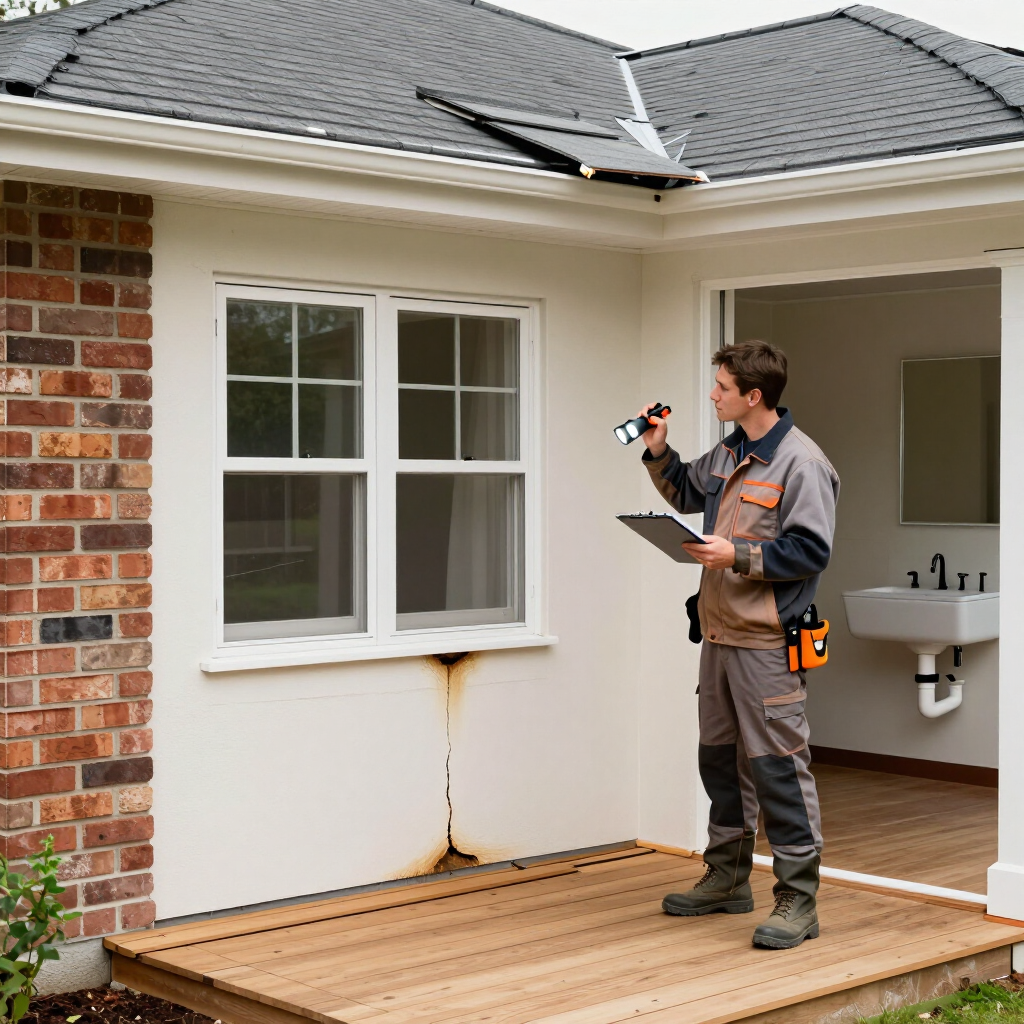
Technician inspecting exterior wall and window above a wooden deck beside a house
By Sutherland Surveyors • October 14, 2026
There's a particular moment I enjoy during almost every inspection. I'll be standing quietly in a corner of a room, or crouched by a skirting board, and the person selling the house will ask, slightly nervously, "Have you found something?" Often, I haven't found a problem at all, I'm just looking. But it does highlight something important: buyers and surveyors genuinely see houses differently. As the darker evenings draw in this October and viewings start happening under artificial light more often, it feels like a good time to talk about what that difference involves and why it matters more than most people expect. Viewing a Home vs Inspecting One. When you walk around a property you are considering buying, you are forming an emotional impression. Does it feel right? Would the sofa fit there? Is the kitchen big enough? That's completely natural; Buying a home is as much about lifestyle as it is about bricks and mortar. A chartered surveyor is doing something quite different. I'm not thinking about where furniture might go; I'm thinking about how the building has behaved over time. Buyers tend to look at a room. I tend to look at the junctions; Where the walls meet the ceiling, where an extension joins the original structure, where a window has been replaced. That's usually where a building tells you the truth about itself. Small Details, Bigger Picture. It's rarely one obvious thing that gives a property away. More often, it's a pattern of small observations that build into a fuller picture. A slightly uneven floor on its own might mean nothing. Many older homes have settled naturally over decades. But combined with a hairline crack above a doorway, and a slightly stiff window that doesn't close properly, it starts to tell a more specific story. Individually, none of these would concern a buyer during a viewing. Together, they might indicate movement worth understanding before you commit. This is really the value of experience. It's not about having a checklist of "problem signs". It's about recognising when ordinary, everyday features add up to something worth a closer look. Reading the History of a House. Every property has a history, even if no one tells you what it is. Extensions get added, garages get converted, gardens get re-landscaped. Most of this is done perfectly well, some of it isn't. I often find myself looking for evidence of work that was completed without the right approvals or done in a way that doesn't quite match the rest of the building. A slightly different type of brick, an oddly placed drainpipe, a floor level that changes unexpectedly between rooms. These are the kinds of details that come from years of comparing what a house looks like now to what it's likely to have looked like originally. Buyers understandably focus on how a space feels today. Surveyors are trained to think about how it got there. Why Professional Eyes Make a Difference. None of this is about catching people out or being overly cautious. It's simply about experience. A chartered surveyor sees hundreds of properties a year, across many different ages, styles, and construction types. That repeated exposure builds a kind of visual vocabulary, an instinct for what's normal wear and what's worth a second look. It's a bit like a mechanic listening to an engine, or a doctor noticing something in how you describe a symptom. The information is there for anyone to see but recognising its significance takes training and repetition. A Second Pair of Trained Eyes. If you're searching for a "surveyor near me" ahead of an offer, it's worth remembering that what you're really paying for isn't just an inspection, it's a different way of looking at the property altogether. It's someone trained to notice the things that don't announce themselves. Buying a home is exciting, and it's easy to fall in love with a property before you've properly understood it. Having a professional look beyond the obvious doesn't take away from that excitement, it simply means your decision is built on a clearer picture, not just a good first impression.
Man in navy suit reviewing a clipboard outside a modern house with a lawn and shrubs
By Sutherland Surveyors • September 8, 2026
Every week, I speak to buyers who have picked up a belief about property surveys that simply isn't true.