Sutherland Surveyors: Older Homes, Extensions and Alterations: When a Survey Really Earns Its Place.
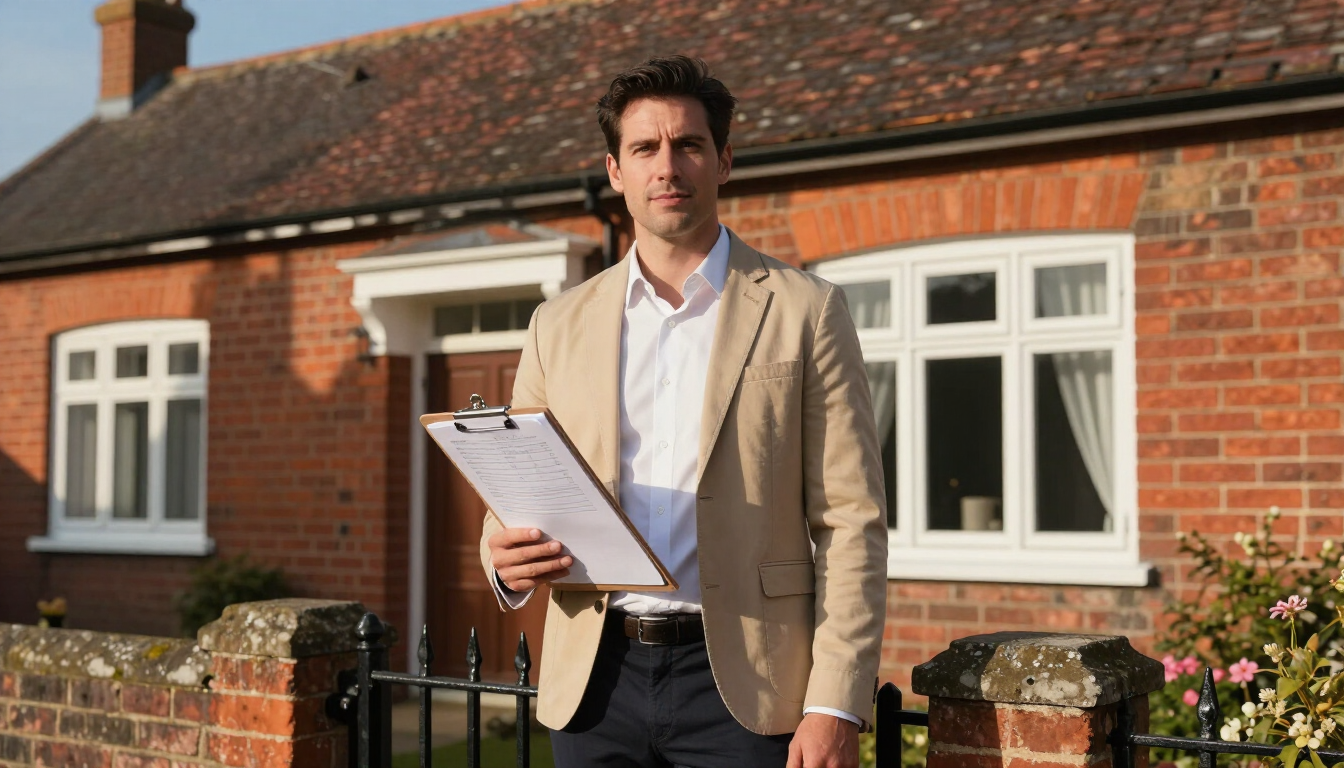
Spring tends to bring a rush of property activity. More homes come to market, buyers move quickly, and the excitement of finding somewhere you love can easily overshadow questions you perhaps should be asking. When a property has a bit of history to it, an old stone cottage, a Victorian terrace, a 1930s semi with a sizeable rear extension, slowing down and instructing a chartered surveyor isn't just sensible, it is one of the most important decisions you can make.
Why age changes everything.
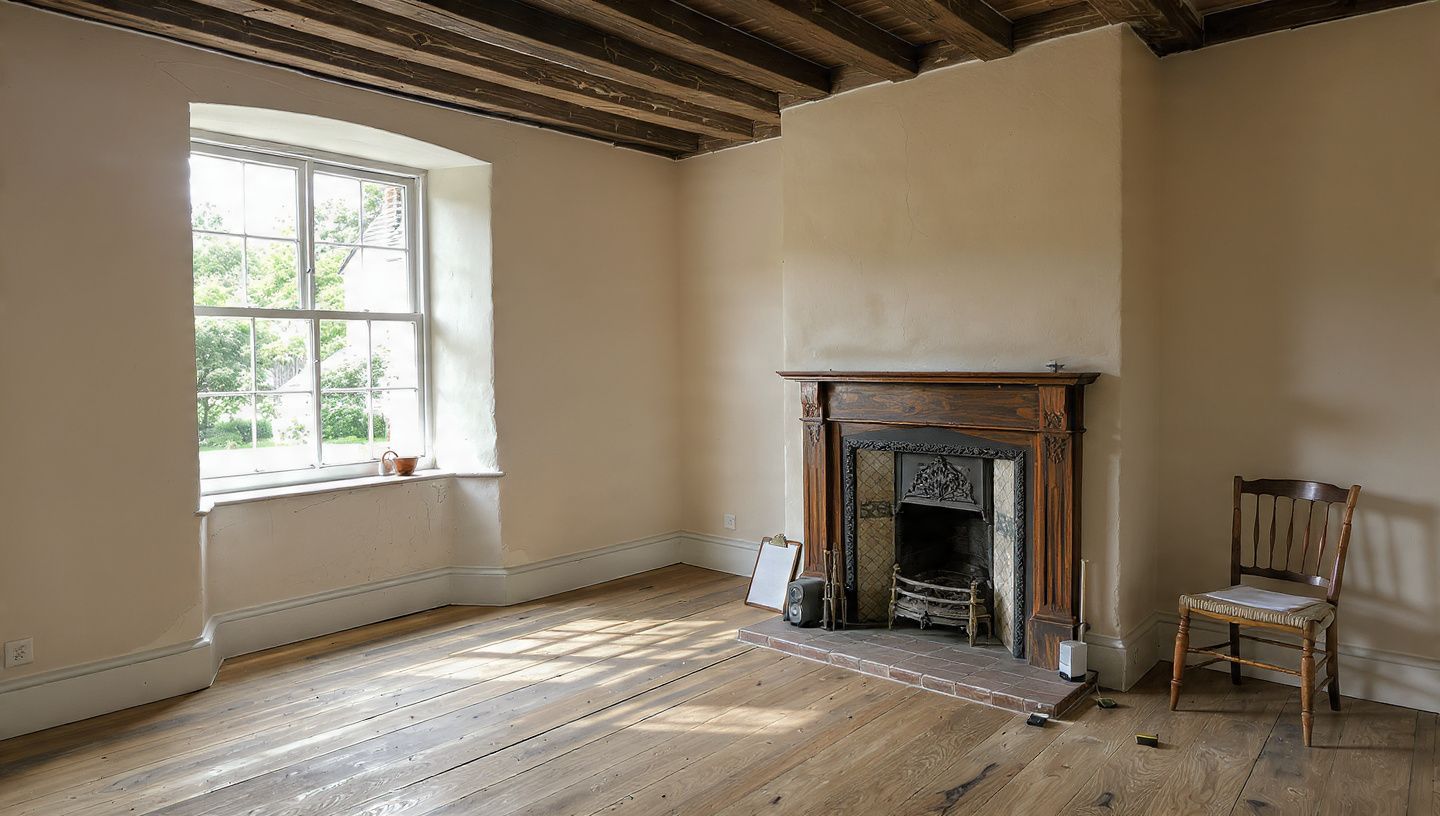
Older properties have character, and that's often exactly why buyers fall for them. But they also have decades and sometimes centuries of repairs, alterations, and wear behind them. What looks charming on a viewing can conceal problems that have been quietly developing for years.
Older construction methods, materials that are no longer used, and building standards that have changed significantly over time all create a different set of risks compared to a modern home. I often see buyers walk away from a viewing genuinely excited, without realising that what they couldn't see behind the walls or beneath the floors is worth knowing about before they commit.
A survey gives you that visibility. Not because older homes are to be feared many are solidly built and wonderfully maintained but because an informed buyer is always in a better position than one who finds out after completion.
Extensions: What was done, and how?
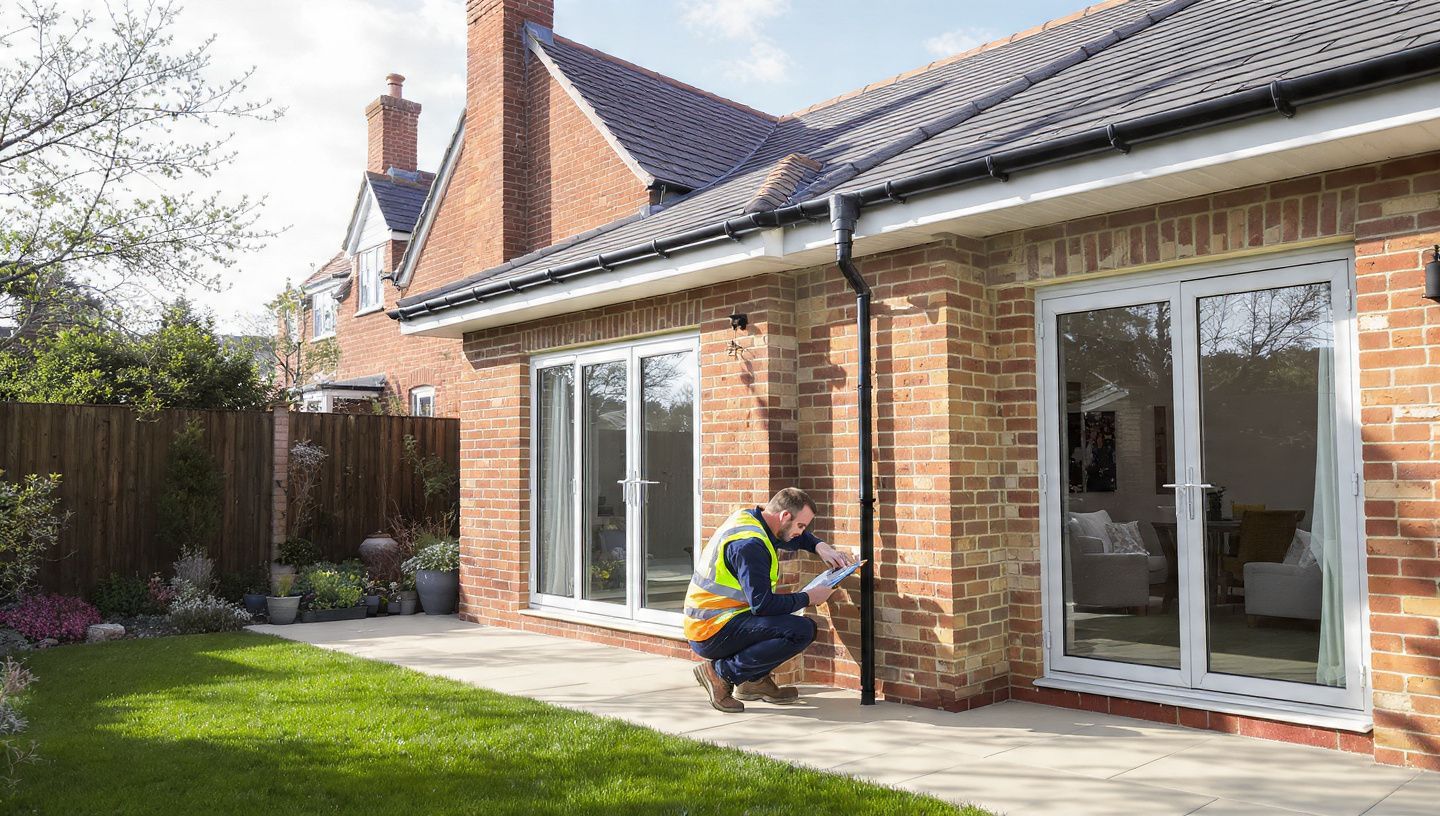
Home extensions have been a fact of life for decades. Homeowners wanting more space have been adding on to properties in all sorts of ways, and the quality of that work varies enormously.
Some extensions are beautifully constructed with proper foundations, appropriate materials, and full building regulations approval. Others… less so. An extension built without the right permissions, using shortcuts, or simply done a long time ago to standards we wouldn't accept today, can present real structural or legal complications.
When I survey a property with an extension, I'm looking at things that wouldn't be obvious to someone walking through. How it connects to the original structure, how the roof has been handled, whether there are signs of movement or water ingress these aren't things you'd notice on a Saturday afternoon viewing.
Alterations and conversions.
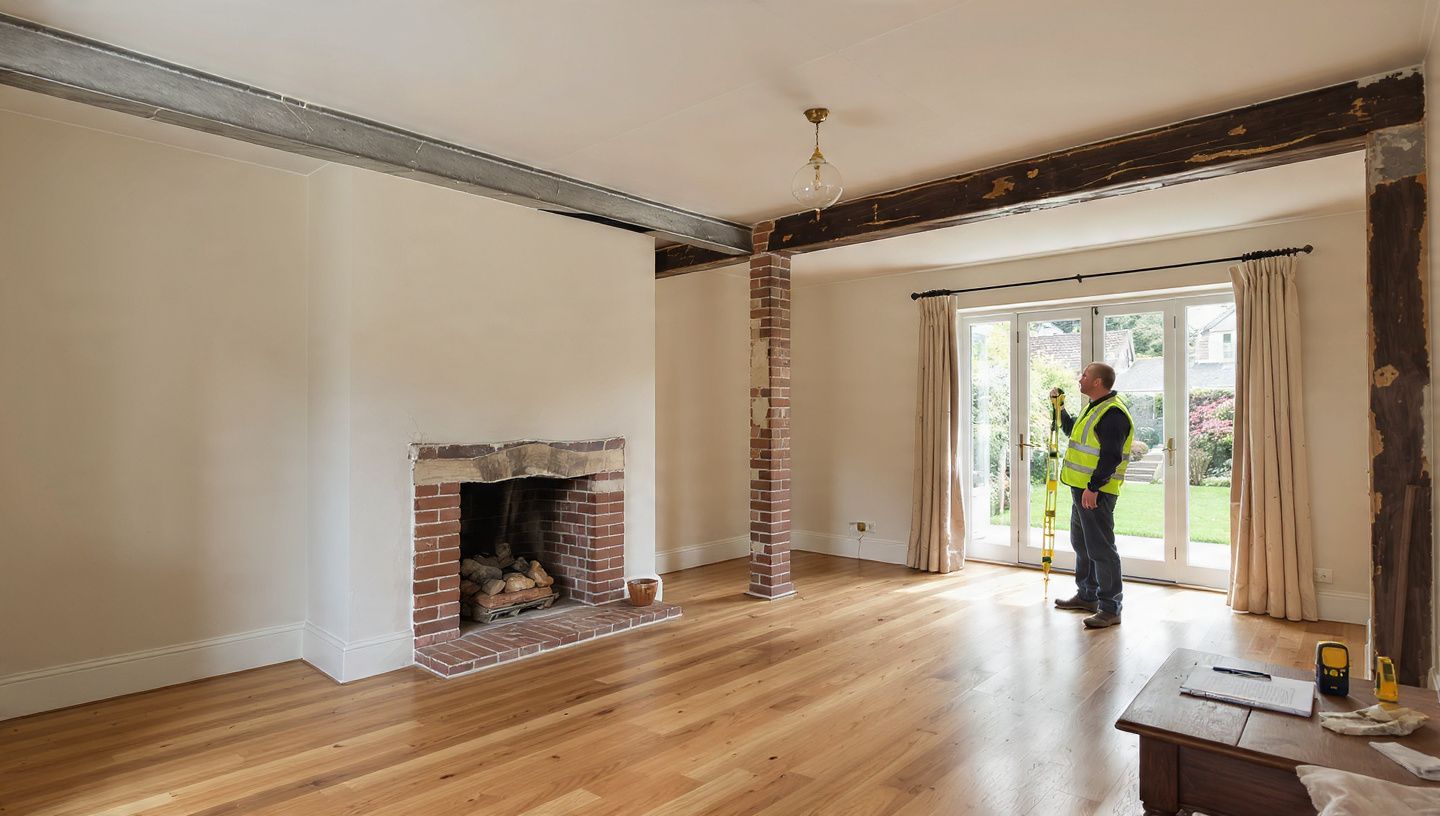
Beyond full extensions, many properties have had rooms converted, walls removed, loft spaces turned into bedrooms, or garages brought into the living space. Each of these changes carries its own questions.
A loft conversion might look finished and functional, but without the right structural support it can create problems that take years to become visible. A knocked-through ground floor can be a wonderful open-plan space, or it can be a warning sign if the right supports weren't put in place when the wall came down.
If you are searching for a "surveyor near me" and you're buying a property that's been altered or extended, this is precisely the kind of scenario where a chartered surveyor adds real value. It's not about looking for problems it is about understanding what you're actually buying.
What the viewing doesn't show you.
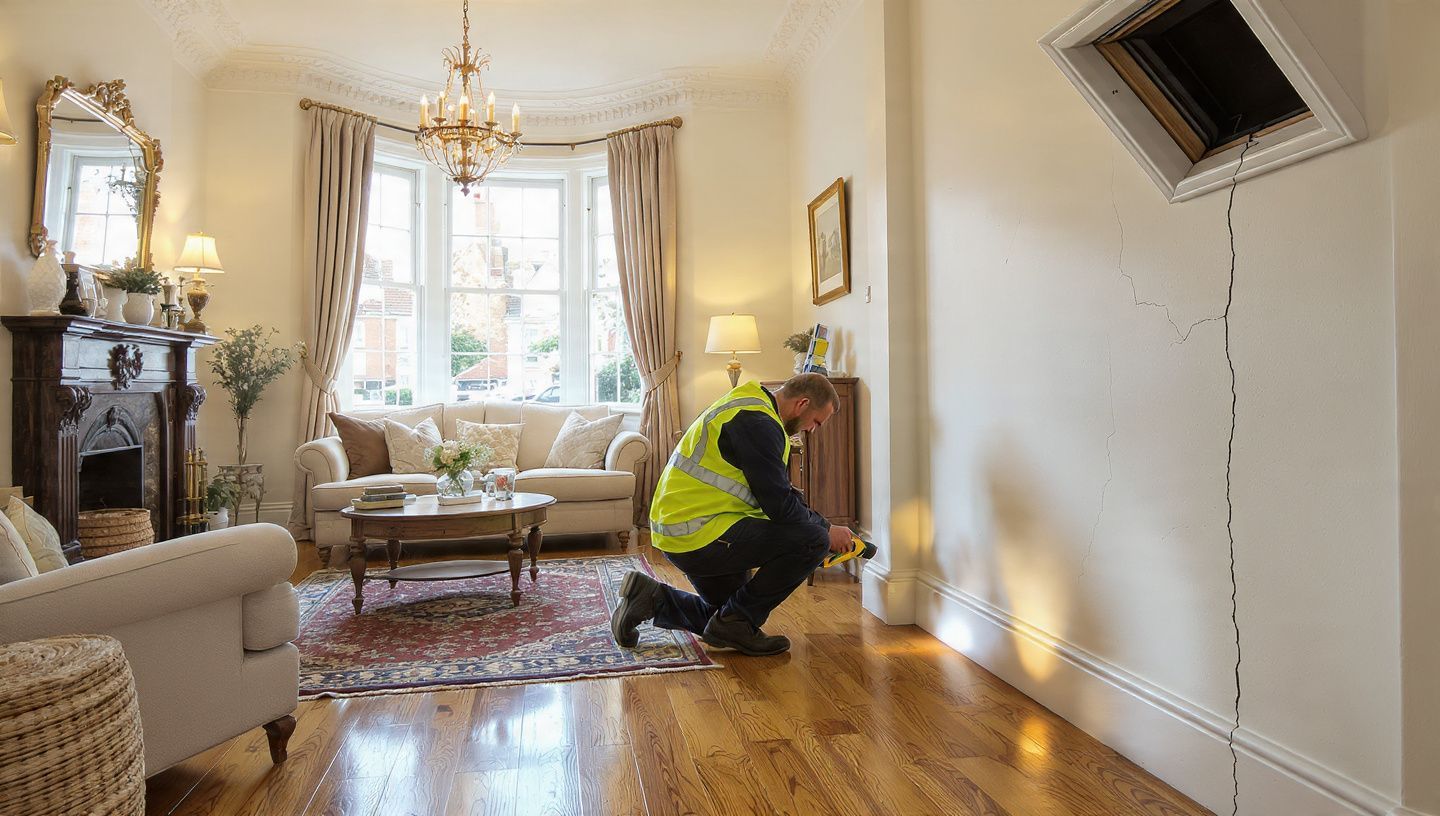
Estate agents present properties at their best, and there's nothing wrong with that. But a viewing is a snapshot. You're seeing how a home looks, not how it's performing structurally, or what sits behind the finish.
In my experience, the properties that benefit most from a thorough survey are often the ones buyers feel most confident about. That confidence, understandable as it is, can sometimes lead people to skip the survey altogether. It's precisely in those cases that having a professional assessment matters most.
Making an informed decision.
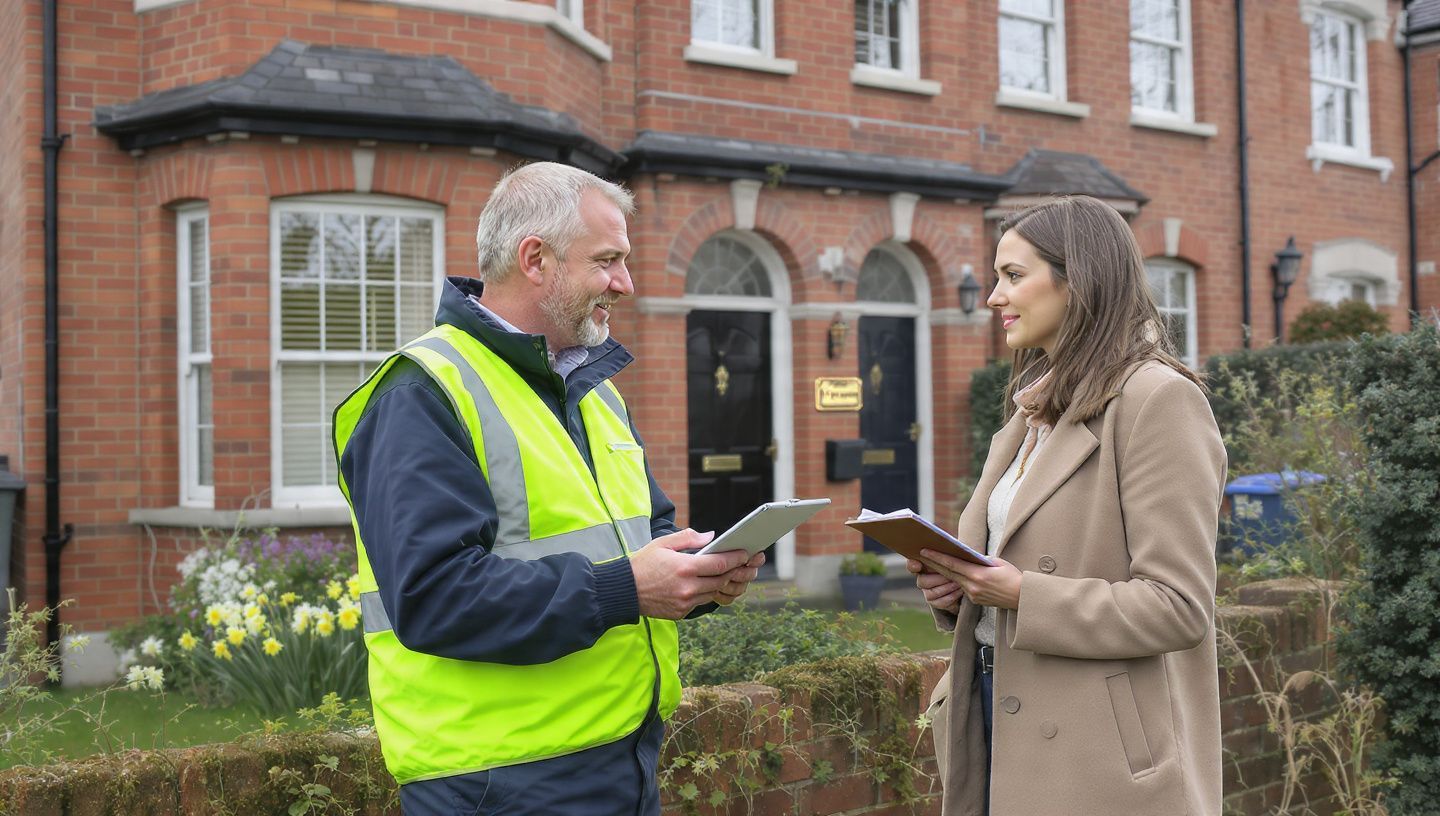
Buying an older home or a property with alterations isn't a risk to avoid, it's a situation to understand properly. A survey doesn't tell you not to buy. It tells you what you're buying, gives you a clearer picture of any work that might be needed, and lets you proceed with your eyes open.
That kind of clarity, especially at a point when you're about to make one of the largest financial commitments of your life, is genuinely worth having.
If you'd like to discuss a property you're considering, feel free to get in touch with the team at Sutherland Surveyors. We're here to help you buy with confidence.