Eight Things Buyers Get Wrong About Property Surveys (And Why It Matters).
Every week, I speak to buyers who have picked up a belief about property surveys that simply isn't true. Sometimes it comes from a well-meaning friend, sometimes from something read online, and occasionally from someone who had a bad experience years ago and drew the wrong conclusion from it. These myths are surprisingly persistent and they can lead buyers to make decisions that cost them dearly.

"The mortgage lender's valuation is basically a survey".
This is probably the most common misunderstanding I come across. When a lender instructs a valuation on a property, they are checking whether the home is worth the amount being lent. That's it. The person carrying it out is not looking at the condition of the roof, the state of the walls, or whether there's been undisclosed work done to the property. A valuation protects the lender. A survey protects you.
"New homes don't need a survey".
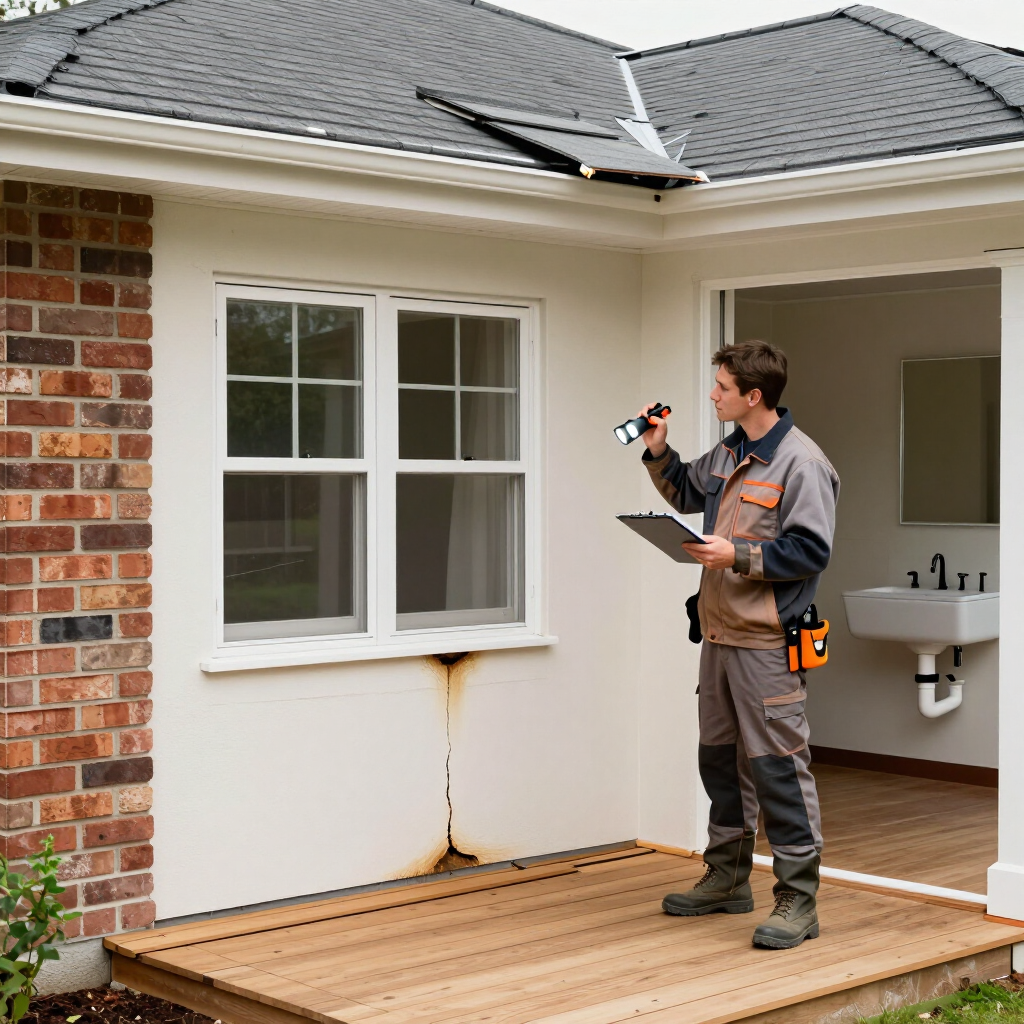
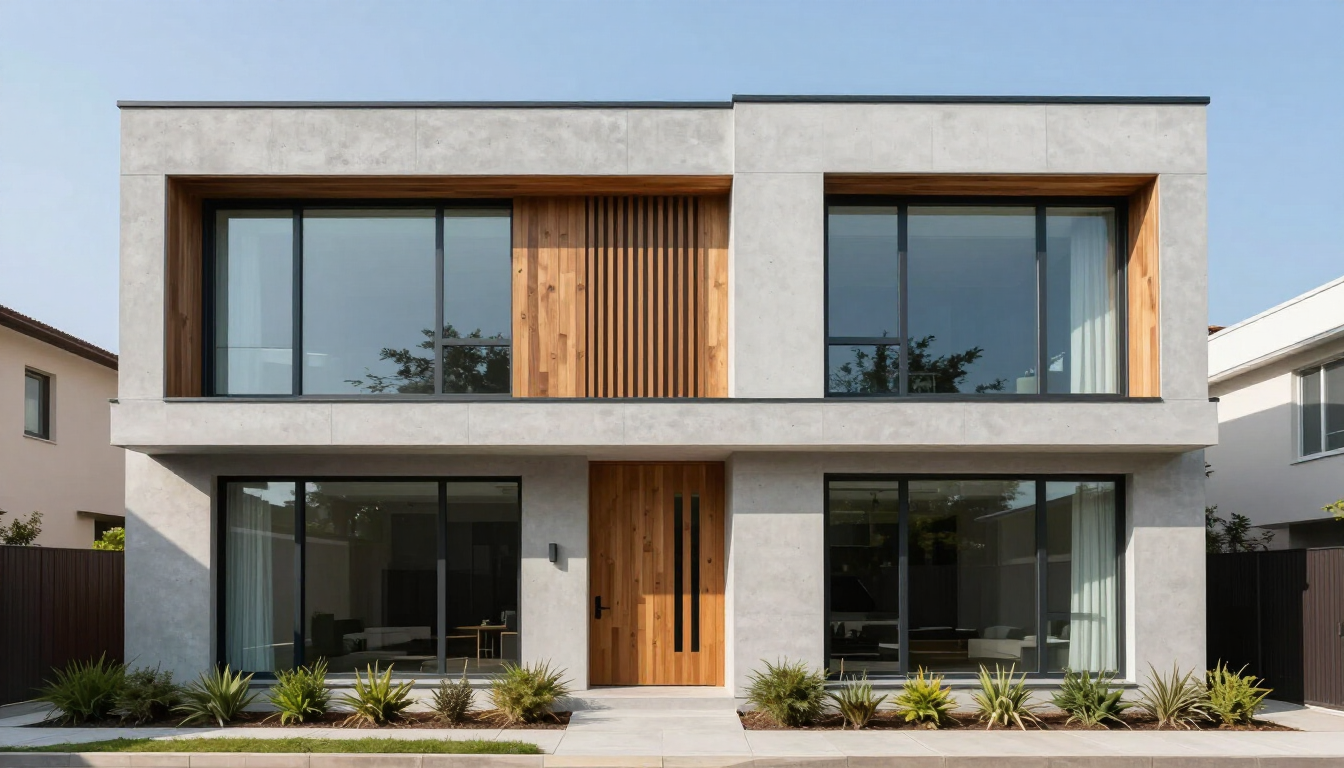
I understand the logic here, if something is brand new, surely it can't have problems yet? In practice, new-build properties can have finishing defects, drainage issues, and structural concerns that aren't visible to an untrained eye. A survey on a new home is not about distrust; it's about having an expert confirm that what's been built actually meets the standard you're paying for.

"Surveys are only worth it for older properties".
Older homes certainly carry more risk, but the assumption that a 1990s semi-detached or a 2000s flat needs no scrutiny is misplaced. Poor extensions, damp caused by blocked airbricks, and incorrectly installed insulation are just as common in relatively modern homes as in Victorian terraces. The age of a property isn't what determines whether a survey is worthwhile the value of your investment is.

"If there was a survey done recently, that'll do".
A survey carried out for a previous buyer, at a previous point in time, reflects conditions as they were then. Properties change. Leaks develop. Roofs deteriorate. Condensation patterns shift with seasons. A survey is not a permanent certificate of health, it's a snapshot. If you're the one buying the property, you need your own, current assessment.
"I can tell if something's wrong just by looking".
With respect, this is the one that concerns me most. I've been doing this for years and I still find things during inspections that surprised me. Trained observation is different from a viewing. I know where to look, what to look for, and just as importantly what certain signs suggest might be happening somewhere I can't directly see. Buyers are often focused on layout, décor, and whether they can imagine themselves living there. That's completely natural, but it means things get missed.

"Surveys always cause sales to fall through".
This myth puts buyers off instructing a survey in the first place, which is a shame. In my experience, a survey is more likely to keep a transaction on track than derail it. When issues are identified early, there's time to discuss them properly whether that means adjusting the price, agreeing repairs, or simply understanding what you're taking on. The transactions that fall apart are often the ones where problems surface later, with less time and goodwill to resolve them.
"Any surveyor will do, they are all the same".
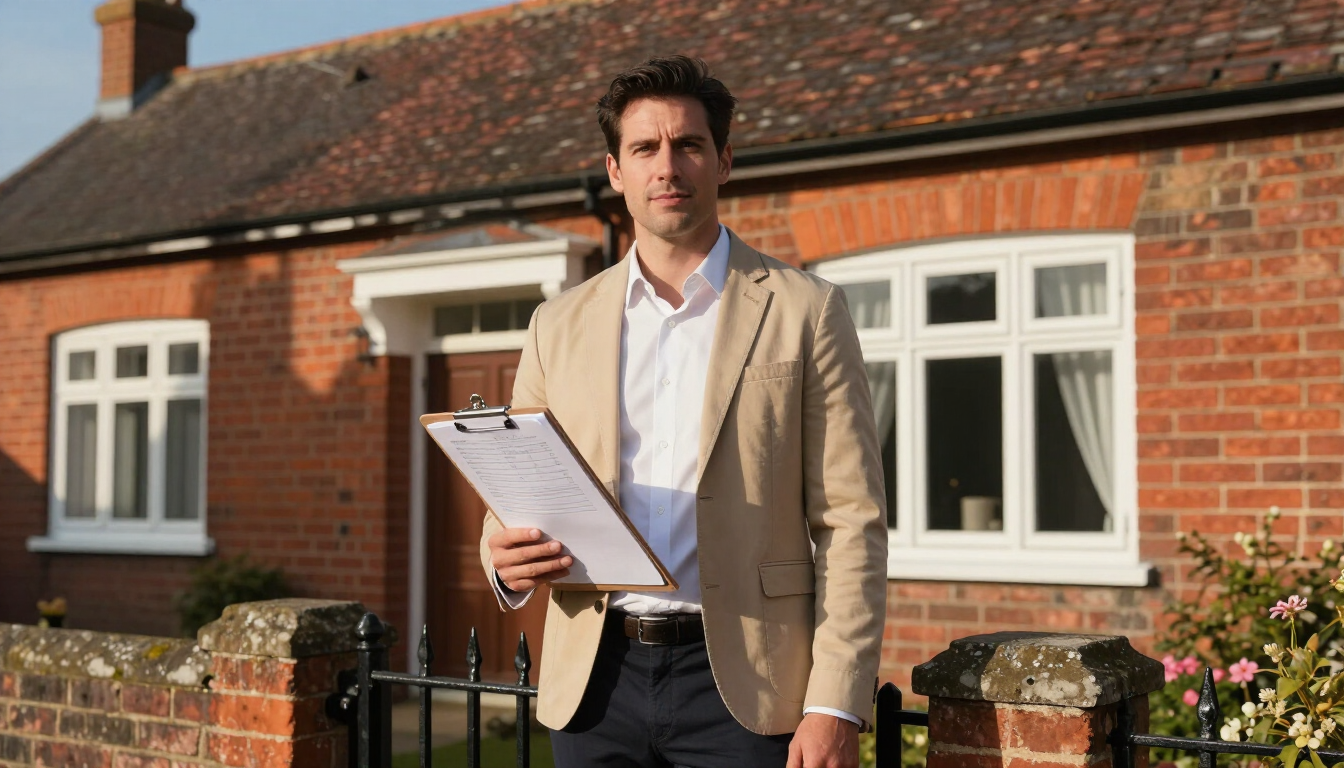
Local knowledge genuinely matters. A chartered surveyor who works regularly in your area understands the common building types, the typical issues in that region, and the local context that shapes what they're seeing. When people search for a "surveyor near me," the instinct is right proximity and familiarity with the area make a real difference to the quality and relevance of the advice you receive.
The Bigger Picture.
Buying a home is almost certainly the largest financial decision you'll ever make. The myths above share a common thread: they all give buyers a reason to skip a step that exists to protect them. A good chartered surveyor isn't there to complicate your purchase, they are there to make sure you go into it with clear eyes.
If you'd like to talk through which type of survey suits your situation, I'm always happy to have that conversation.