Common Myths About Property Surveys (And What Buyers Get Wrong)
As we head into the last stretch of summer, I'm still seeing a healthy number of house moves crossing my desk. Those who started looking in spring are now getting to the final stages of their purchases. And with that comes the same handful of misunderstandings about surveys that I hear time and time again. So this month, I thought I'd tackle some of the most common myths head-on, calmly and without judgement, because I know most of these ideas come from good intentions or things people have picked up second-hand.

"The mortgage valuation is basically a survey".
This is probably the myth I encounter most often. A mortgage valuation is done for the lender, not for you. It confirms the property is worth roughly what you're paying, so the bank knows their loan is secure. It isn't designed to tell you about the condition of the roof, the state of the electrics, or whether there's damp creeping up a wall. I always tell clients that a valuation and a survey are answering two completely different questions, one is "is this a safe investment for the bank?" and the other is "is this a safe investment for you?"
"Surveys are only for old or unusual houses".
I understand why people think this; Older properties do tend to have more history and more things that can go wrong. But I carry out surveys on relatively modern homes all the time, and it's not unusual to find problems that wouldn't be obvious on a viewing, from poor workmanship during a previous renovation to issues with drainage or ventilation. Age isn't the only risk factor; how a property has been built, maintained, and altered over the years matters just as much.
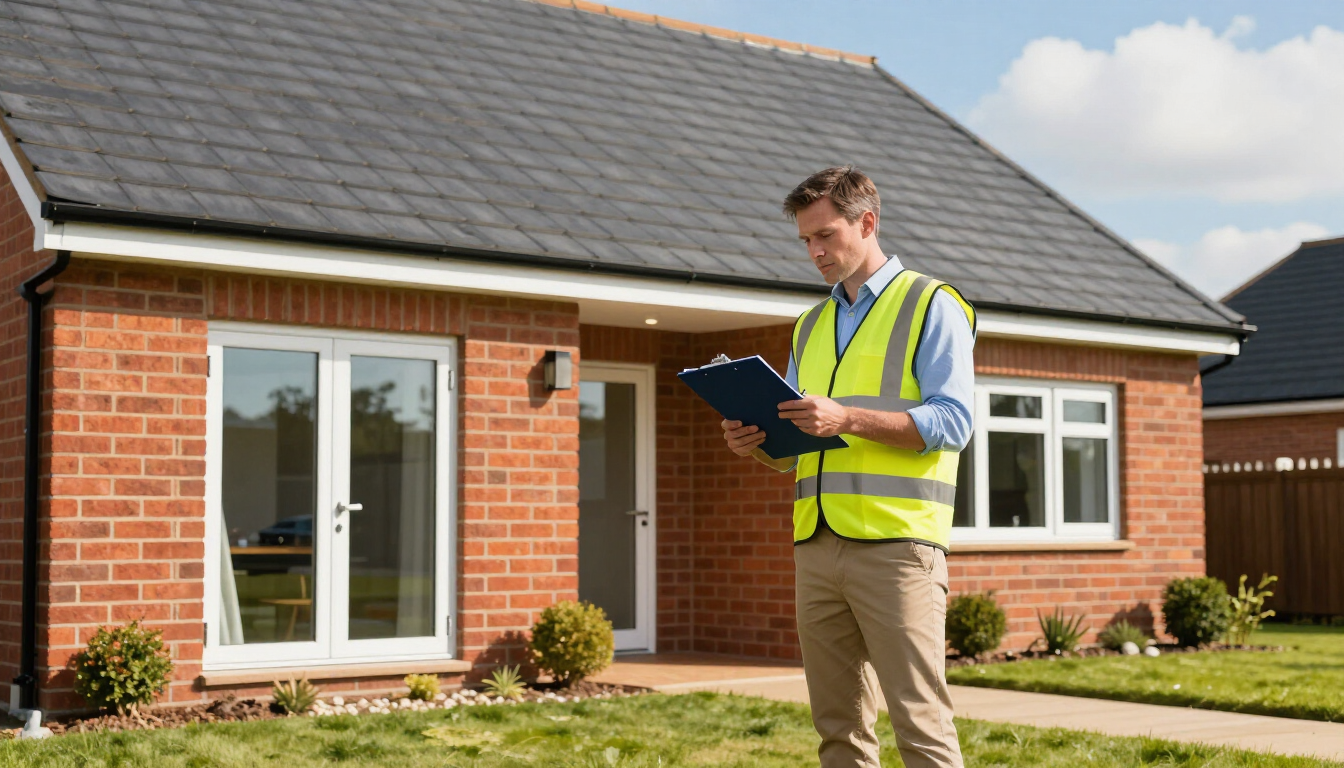
"If the house looks fine, it probably is fine".
This one catches out a lot of buyers, especially first-time buyers who are viewing a property with fresh eyes and, understandably, a bit of excitement. A lovely lick of paint or a beautifully staged living room can hide all sorts of problems underneath. I've seen freshly plastered walls disguising damp, and neatly mown gardens sitting above drainage issues that only become apparent once you dig a little deeper, sometimes literally. A trained eye knows what questions to ask and where to look that a keen buyer simply wouldn't think to check.
"Surveys are expensive, so I'll save money by skipping one".
I always encourage people to think about this the other way round. A survey is a small cost compared to the price of the property itself, and it's designed to protect that investment. I've lost count of the number of times a survey has uncovered something that, left unaddressed, would have cost far more to put right further down the line, sometimes tens of thousands of pounds more. It's not an added expense; it's a form of insurance for one of the biggest financial decisions you'll make.
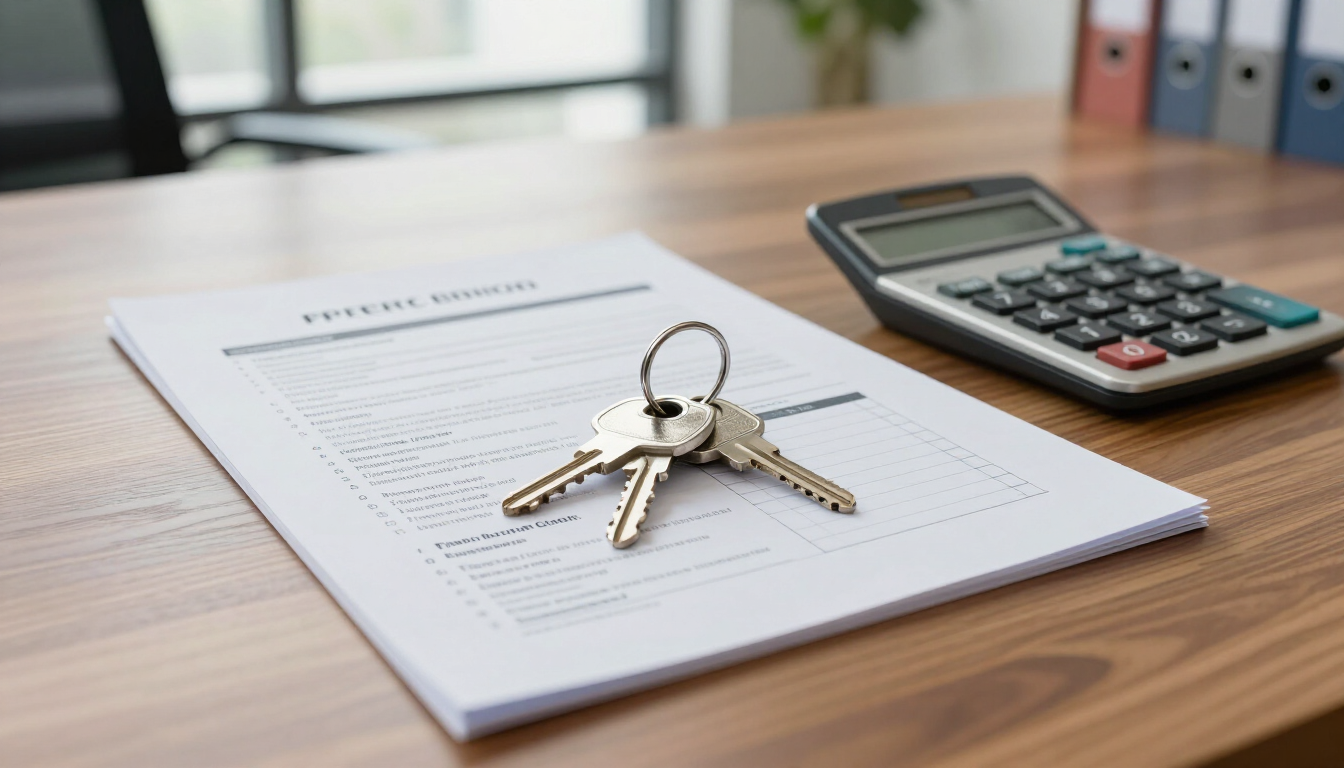
"You only need a survey if you're buying an unusual property".
Every property is unique in its own way, whether it's a Victorian terrace, a 1990s semi, or a new-build. What a survey does is give you an objective, independent view of that specific property, rather than relying on assumptions about what "should" be fine based on age or type. It's not about suspicion, it's about clarity.
Getting good advice early.
If you're at the stage of searching "surveyor near me" and feeling a bit overwhelmed by the options, my advice is to look for a chartered surveyor with good local knowledge and a clear, friendly way of explaining things. A good surveyor won't just hand you a report full of jargon, they will talk you through what they found and what it actually means for you.
In summary, buying a home is stressful enough without added confusion about what a survey does and doesn't cover. My advice is always the same: ask questions, don't assume, and get proper, independent advice before committing. It's a small step that brings a lot of peace of mind and that's exactly what a good survey is there to provide.