Buying Your First Home? Here's What a Survey Actually Tells You.

Sutherland Surveyors • June 20, 2026

Taking that first step onto the property ladder is genuinely exciting. After months of viewings, offers, and paperwork, it can feel like the finish line is finally in sight. With the summer market moving at pace right now, many first-time buyers are also feeling the pressure to push things through quickly which is exactly when it's tempting to skip steps that seem optional.


A property survey is one of those steps. I hear it often: "Is it really necessary?" My honest answer is yes and once you understand what a survey actually gives you, I think you'll agree.

It's Not Just a Tick-Box Exercise.
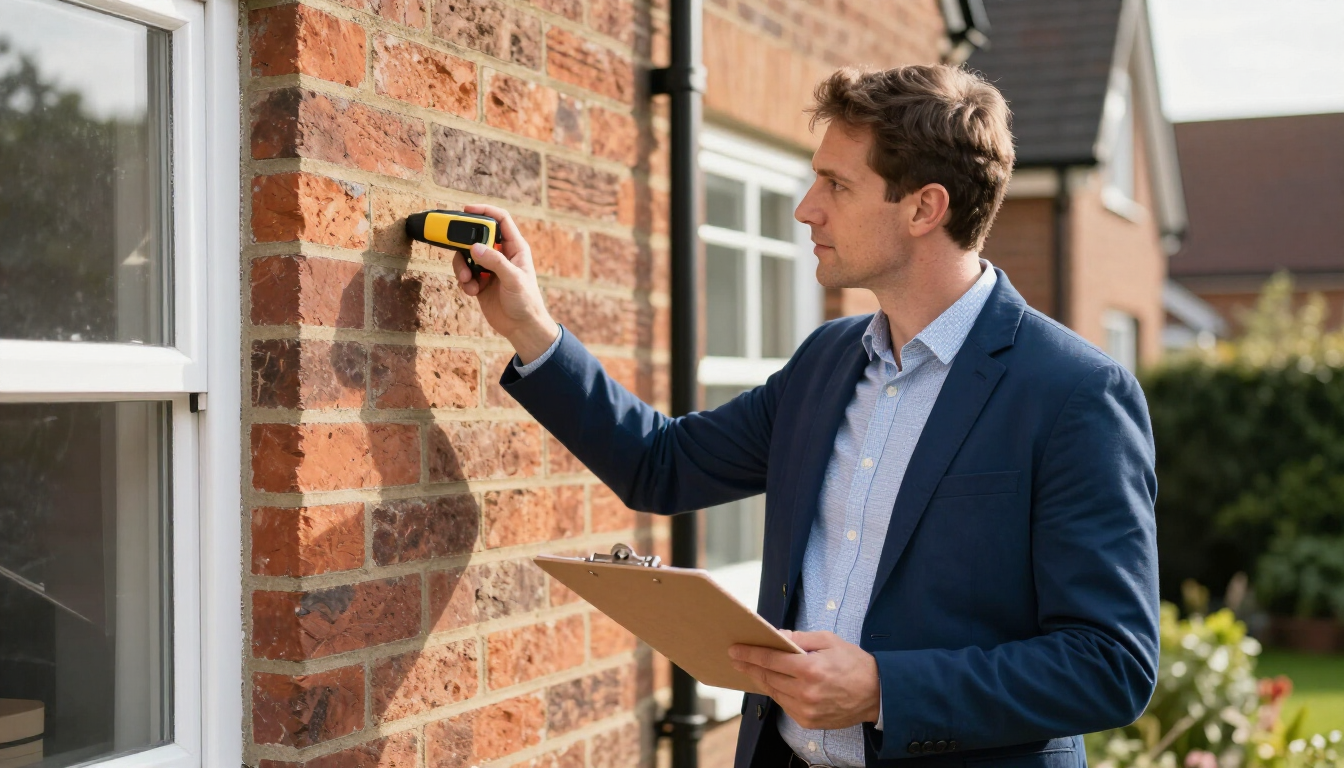
Surveyor measuring a brick wall outside a house, holding a clipboard.

A survey isn't simply something your mortgage lender asks for. It's an independent assessment of the property you're about to commit to financially often for the next 25 years or more.


When I carry out a survey, I'm looking at the condition of the building from top to bottom. That means the roof, the walls, the floors, the windows, the drainage, signs of damp, structural movement, and much more. The goal isn't to alarm you, it's to give you an honest picture of what you're buying before you're legally committed to buying it.

What the Mortgage Valuation Doesn't Cover. 
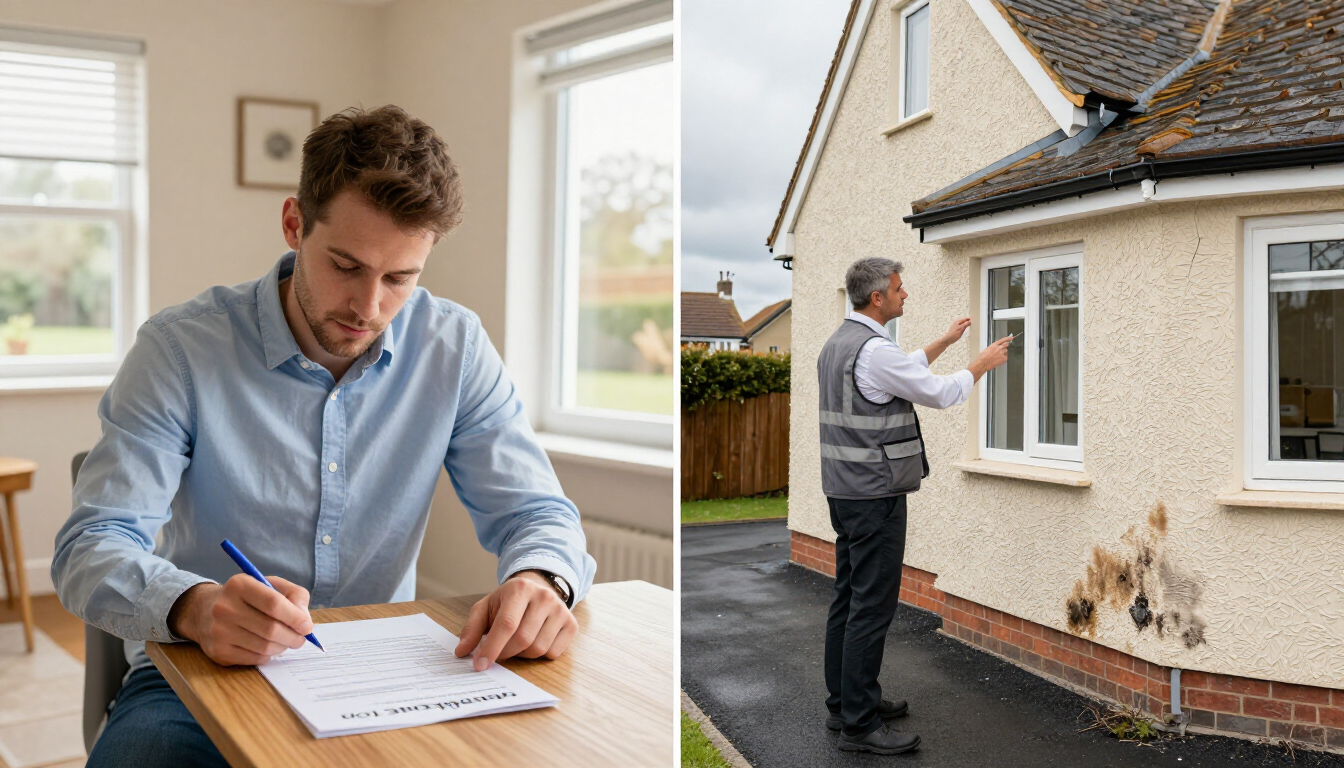
Man signing paperwork at a desk; man inspecting damage on a house exterior

This is where a lot of first-time buyers get caught out. Your mortgage lender will instruct a valuation, and you might assume that means someone has checked the property over properly; It hasn't. 


A mortgage valuation is a brief financial assessment for the lender's benefit, confirming the property is worth what you're paying. It's not designed to protect you, and it won't necessarily flag the damp in the back bedroom or the roof that needs attention. A survey is done entirely for you.

The Report Is Easy To Follow.

Person reading a document at a wooden table in a bright kitchen, with a mug and smartphone nearby

If you've never seen a survey report before, the thought of receiving one can feel a little daunting. In practice, a good report should read clearly and logically. I always aim to explain what I've found, what it means in practical terms, and what if anything needs to be done about it. 


Some findings will be minor: a window seal that's failed, a gutter that needs clearing. Others might be more significant. But either way, knowing before you buy means you can make an informed decision. You might choose to proceed as planned, ask the seller to address something, or renegotiate the price to reflect the work involved. That's a very different position to discovering an issue after you've moved in.

Choosing the Right Type of Survey.
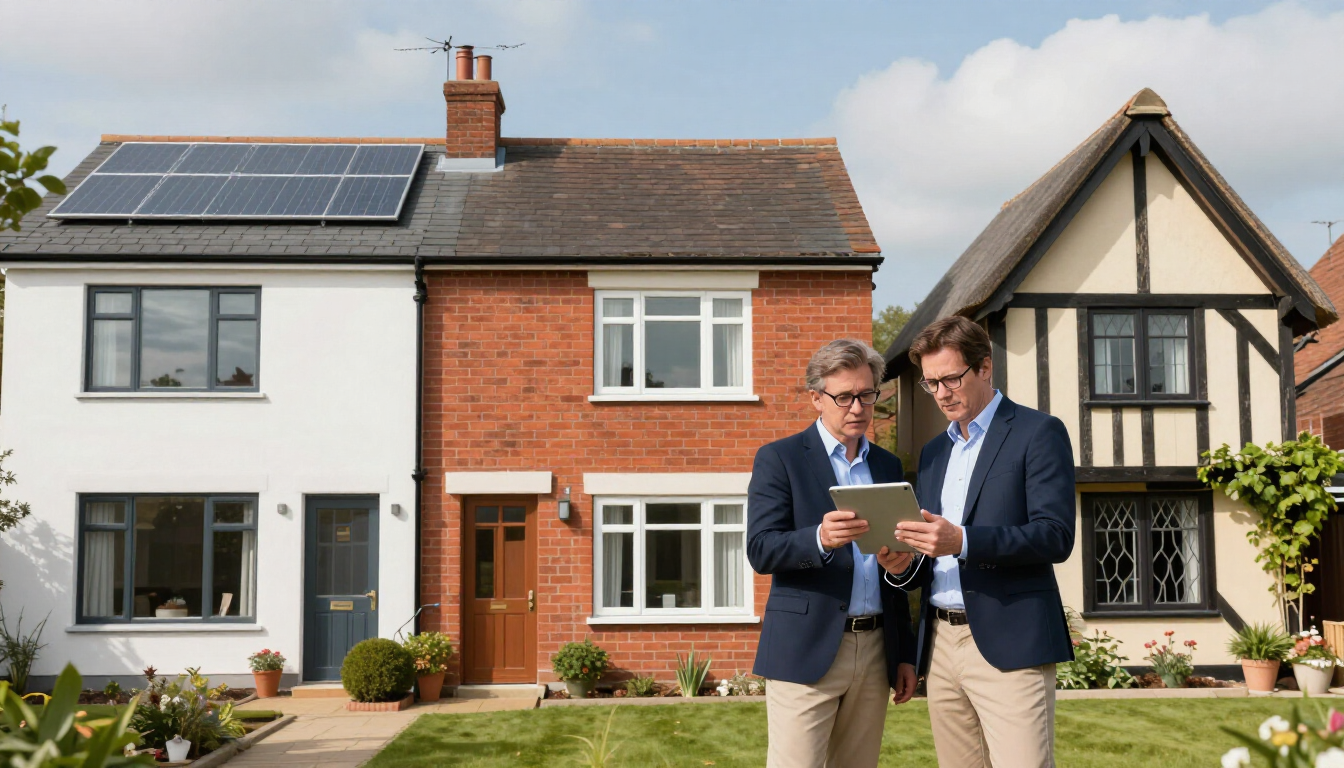
Two men reviewing documents in front of a house with solar panels and a brick facade

For most first-time buyers purchasing a relatively modern, conventional property, a Home Buyer Report is usually a sensible starting point. If you're buying something older, unusual, or with extensions or alterations, a full Building Survey will give you a more thorough picture. 


If you are unsure which is right for your property, a good chartered surveyor will be happy to talk it through with you before you instruct anything. There's no obligation in asking.

A Word on Finding Someone You Can Trust.

Two people shake hands on a residential street outside brick houses.

When you search for a "surveyor near me," you'll find various options. My advice is to look for a RICS-regulated chartered surveyor; Someone who is professionally qualified, independently inspecting, and accountable to a recognised body. This isn't about credentials for their own sake; It's about knowing the person producing your report has the training and experience to stand behind what they're telling you. 

Knowledge Is the Best Foundation.

Buying your first home should be one of the most positive experiences of your life. A survey doesn't put that at risk, it protects it. Rather than arriving at completion day hoping everything is fine, you'll arrive knowing what you've bought. 


That peace of mind is worth a great deal more than the cost of the survey itself.


If you are currently going through the buying process and would like to understand which survey is right for you, I'm always happy to have a straightforward conversation. Get in touch with the team at Sutherland Surveyors and we'll point you in the right direction.
Download Report
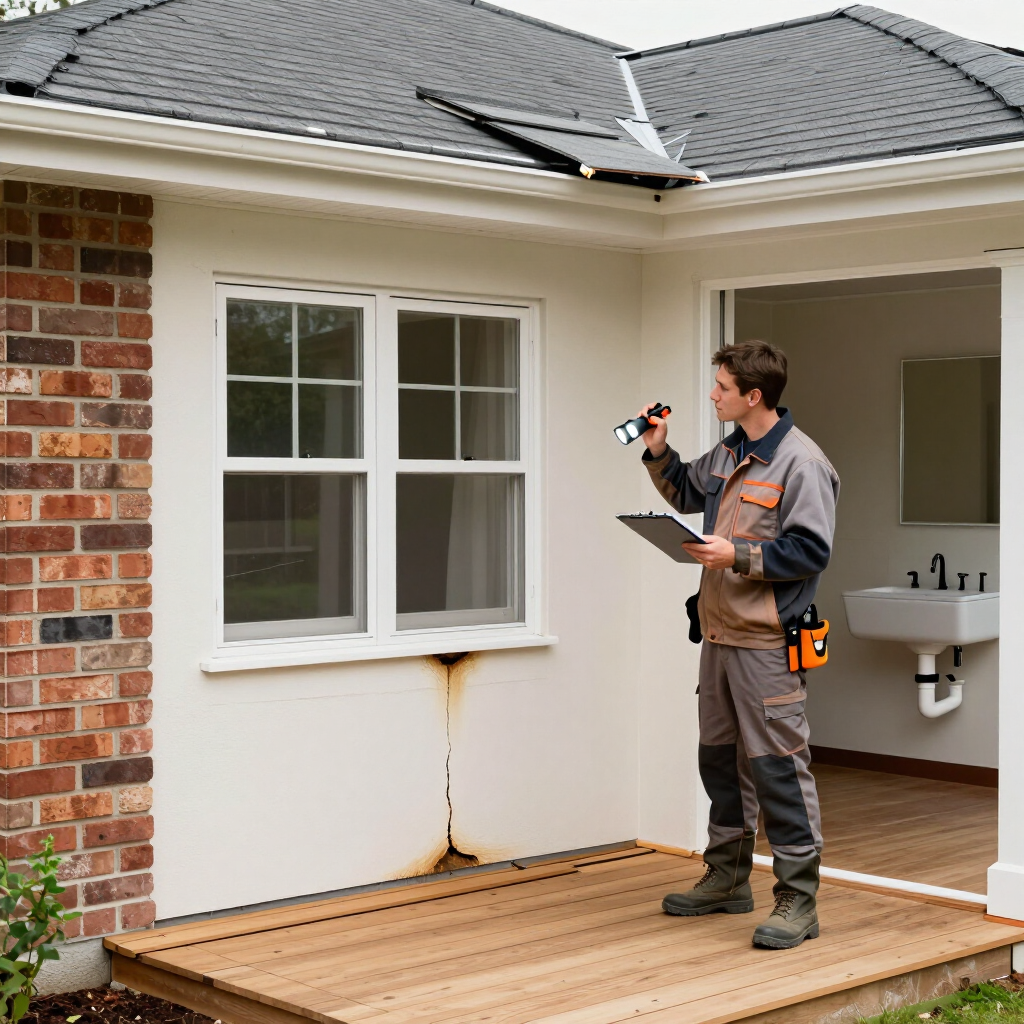
Technician inspecting exterior wall and window above a wooden deck beside a house
By Sutherland Surveyors • October 14, 2026
There's a particular moment I enjoy during almost every inspection. I'll be standing quietly in a corner of a room, or crouched by a skirting board, and the person selling the house will ask, slightly nervously, "Have you found something?" Often, I haven't found a problem at all, I'm just looking. But it does highlight something important: buyers and surveyors genuinely see houses differently. As the darker evenings draw in this October and viewings start happening under artificial light more often, it feels like a good time to talk about what that difference involves and why it matters more than most people expect. Viewing a Home vs Inspecting One. When you walk around a property you are considering buying, you are forming an emotional impression. Does it feel right? Would the sofa fit there? Is the kitchen big enough? That's completely natural; Buying a home is as much about lifestyle as it is about bricks and mortar. A chartered surveyor is doing something quite different. I'm not thinking about where furniture might go; I'm thinking about how the building has behaved over time. Buyers tend to look at a room. I tend to look at the junctions; Where the walls meet the ceiling, where an extension joins the original structure, where a window has been replaced. That's usually where a building tells you the truth about itself. Small Details, Bigger Picture. It's rarely one obvious thing that gives a property away. More often, it's a pattern of small observations that build into a fuller picture. A slightly uneven floor on its own might mean nothing. Many older homes have settled naturally over decades. But combined with a hairline crack above a doorway, and a slightly stiff window that doesn't close properly, it starts to tell a more specific story. Individually, none of these would concern a buyer during a viewing. Together, they might indicate movement worth understanding before you commit. This is really the value of experience. It's not about having a checklist of "problem signs". It's about recognising when ordinary, everyday features add up to something worth a closer look. Reading the History of a House. Every property has a history, even if no one tells you what it is. Extensions get added, garages get converted, gardens get re-landscaped. Most of this is done perfectly well, some of it isn't. I often find myself looking for evidence of work that was completed without the right approvals or done in a way that doesn't quite match the rest of the building. A slightly different type of brick, an oddly placed drainpipe, a floor level that changes unexpectedly between rooms. These are the kinds of details that come from years of comparing what a house looks like now to what it's likely to have looked like originally. Buyers understandably focus on how a space feels today. Surveyors are trained to think about how it got there. Why Professional Eyes Make a Difference. None of this is about catching people out or being overly cautious. It's simply about experience. A chartered surveyor sees hundreds of properties a year, across many different ages, styles, and construction types. That repeated exposure builds a kind of visual vocabulary, an instinct for what's normal wear and what's worth a second look. It's a bit like a mechanic listening to an engine, or a doctor noticing something in how you describe a symptom. The information is there for anyone to see but recognising its significance takes training and repetition. A Second Pair of Trained Eyes. If you're searching for a "surveyor near me" ahead of an offer, it's worth remembering that what you're really paying for isn't just an inspection, it's a different way of looking at the property altogether. It's someone trained to notice the things that don't announce themselves. Buying a home is exciting, and it's easy to fall in love with a property before you've properly understood it. Having a professional look beyond the obvious doesn't take away from that excitement, it simply means your decision is built on a clearer picture, not just a good first impression.
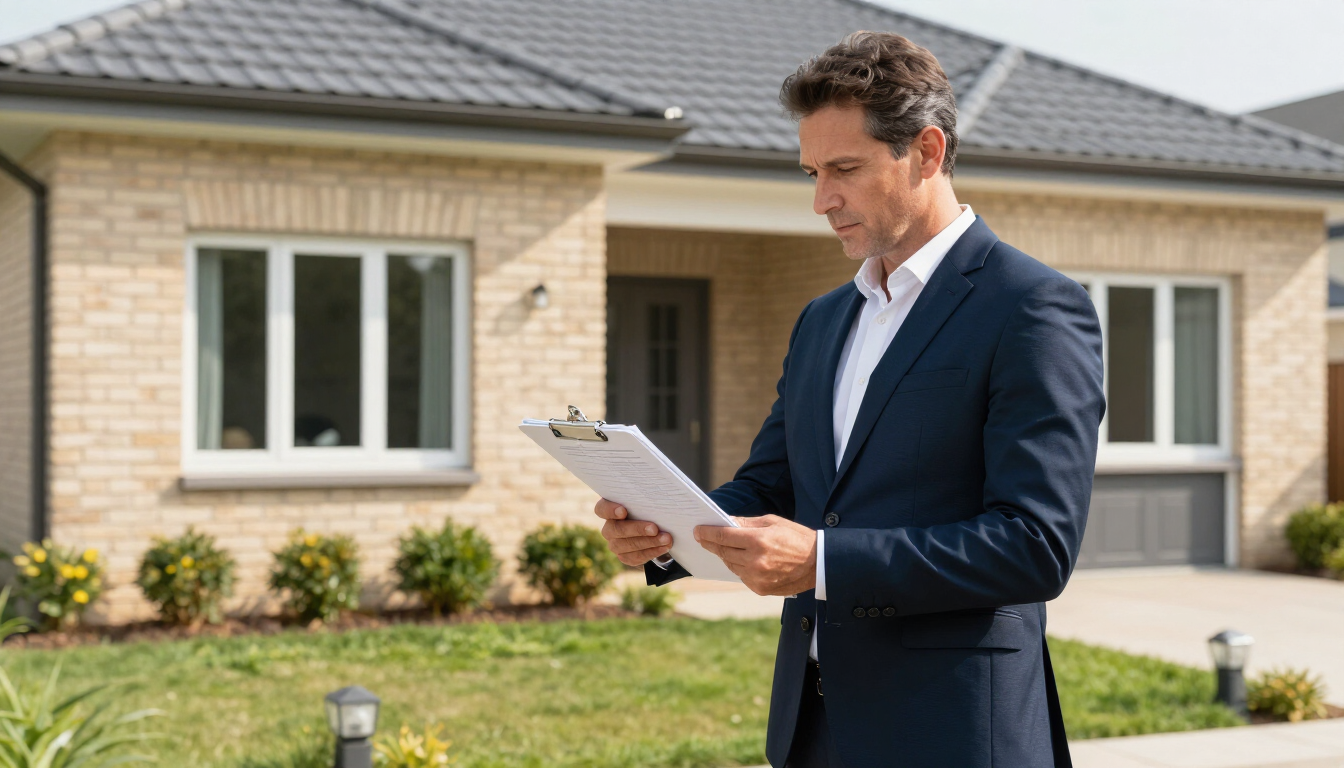
Man in navy suit reviewing a clipboard outside a modern house with a lawn and shrubs
By Sutherland Surveyors • September 8, 2026
Every week, I speak to buyers who have picked up a belief about property surveys that simply isn't true.
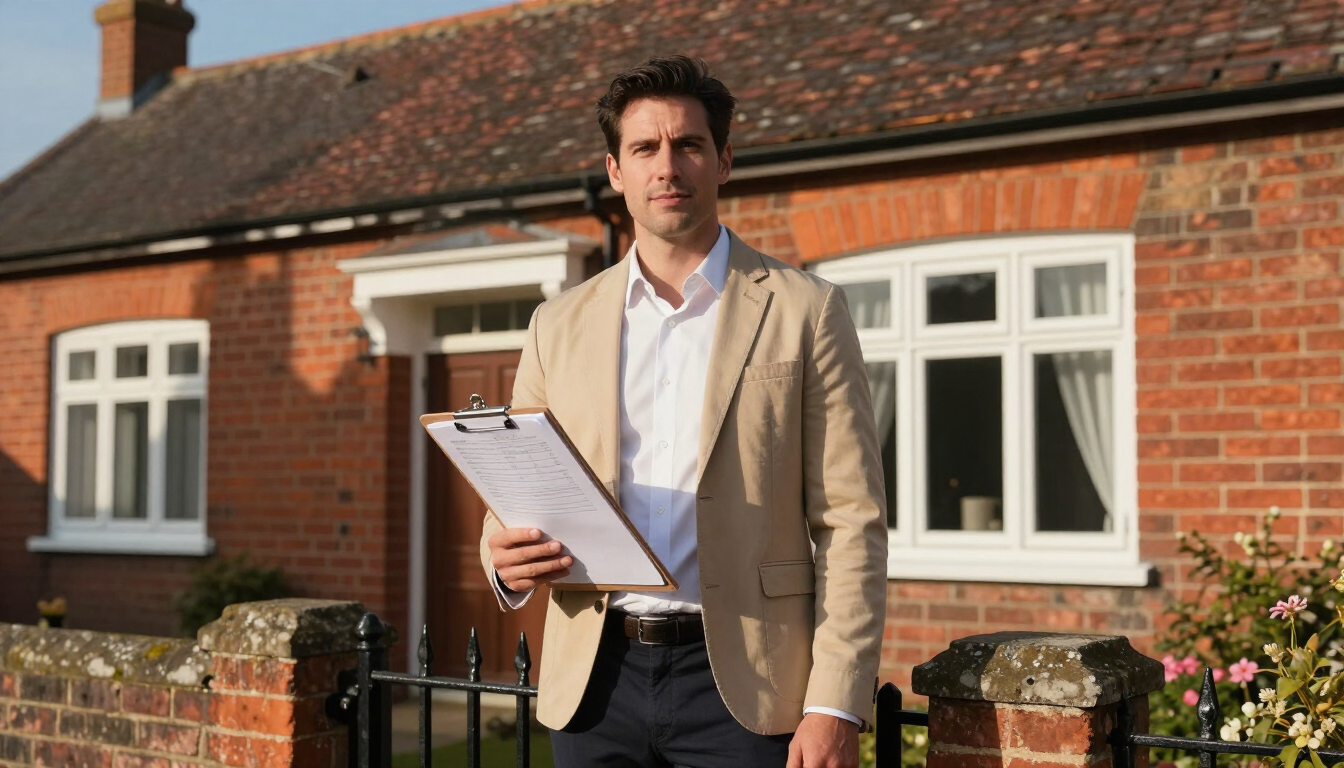
Man in beige blazer holding a clipboard outside a brick house in sunlight
By Sutherland Surveyors • August 6, 2026
A clear, practical look at the most common misunderstandings home buyers have about property surveys, why they matter, and how good advice early can protect your investment.